

UK Government announce plans to phase out animal testing for drugs
Posted: 11 November 2025 | Drug Target Review | No comments yet
The UK government have announced a new strategy to phase out animal testing in scientific research, aiming to replace traditional experiments with innovative human-relevant methods such as organ-on-a-chip systems and AI analysis.
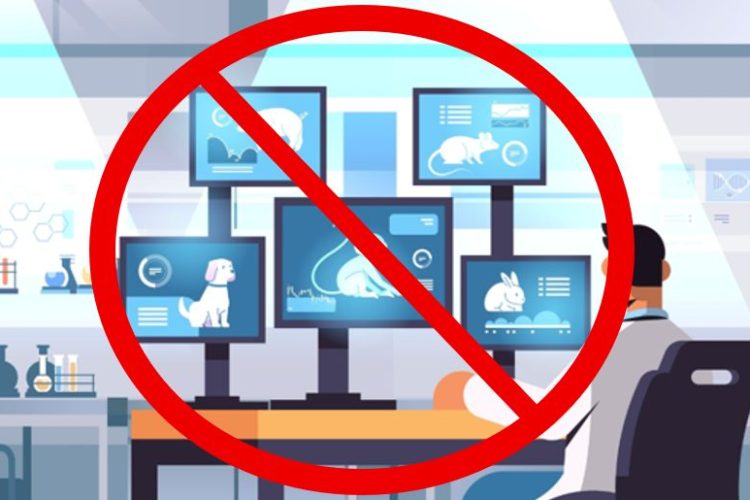
The UK is set to accelerate the phasing out of animal testing in scientific research under a new government strategy announced by Science Minister Lord Vallance. The plan will look to deliver on the government’s manifesto commitment to improve animal welfare while supporting innovation in life sciences.
The plan is designed to back researchers in providing new opportunities to replace animal testing, which are still in practice. These are currently used to determine the safety of life-saving vaccines and in assessing the impact of chemicals such as pesticides on humans, animals and the environment.
The strategy highlights that ending the use of animals in research will only be possible where reliable and effective alternative methods exist, providing the same level of safety for human exposure. By working closely with partners, providing new funding and enhancing regulatory efficiency, the plan aims to help research teams safely move to techniques including:
Automation now plays a central role in discovery. From self-driving laboratories to real-time bioprocessing
This report explores how data-driven systems improve reproducibility, speed decisions and make scale achievable across research and development.
Inside the report:
- Advance discovery through miniaturised, high-throughput and animal-free systems
- Integrate AI, robotics and analytics to speed decision-making
- Streamline cell therapy and bioprocess QC for scale and compliance
- And more!
This report unlocks perspectives that show how automation is changing the scale and quality of discovery. The result is faster insight, stronger data and better science – access your free copy today
- Organ-on-a-chip systems – tiny devices using real human cells to mimic how organs function.
- Artificial intelligence (AI) – analysing large datasets on molecules to predict whether new medicines will be safe and effective in humans.
- 3D bioprinted tissues – realistic human tissue samples, from skin to liver, providing lifelike environments for studying biology and testing toxicity.
Ambitious targets for phasing out animal testing
The government has set clear milestones to end specific types of animal testing. By the end of 2026, regulatory testing on animals to assess skin and eye irritation and skin sensitisation will be eliminated. By 2027, tests measuring the strength of Botox on mice will stop and only DNA-based laboratory methods will be used for adventitious agent testing of human medicines – the process of detecting viruses or bacteria that might contaminate treatments.
The government has set clear milestones to end specific types of animal testing.
Further reductions are planned for pharmacokinetic studies – which track how a drug moves through the body – on dogs and non-human primates by 2030.
The strategy builds on the UK’s established record in developing non-animal alternatives. This includes the National Centre for the Replacement, Refinement and Reduction of Animals in Research (NC3Rs), the first organisation of its kind globally, which has already delivered non-animal alternatives in areas such as vaccines.
Funding boost to support research and collaboration
Lord Vallance announced that the strategy is backed by £60 million in funding. This will establish a hub to bring together data, technology and expertise, promoting collaboration between researchers, alongside a new centre to streamline regulatory approval for new methods.
In addition, £15.9 million has been committed by the Medical Research Council (MRC), Innovate UK and the Wellcome Trust to support the development of promising ‘human in vitro models’.
In addition, £15.9 million has been committed by the Medical Research Council (MRC), Innovate UK and the Wellcome Trust to support the development of promising ‘human in vitro models’. This includes organ-on-a-chip systems, enabling researchers to test drugs on human tissues rather than animals. Five UK teams will focus on disease models of the liver, brain, cancer, pain and blood vessels.
“Nobody in our country of animal lovers wants to see suffering and our plan will support work to end animal testing wherever possible and roll out alternatives as soon as it is safe and effective to do so,” Lord Vallance said. “This is a roadmap which will ensure government, businesses and animal welfare groups can work together to find alternatives to animal testing faster and more effectively.”
Oversight and future plans
The strategy will be overseen by a committee chaired by Lord Vallance, involving government ministers, regulators and funders. Key performance indicators will be published next year to monitor progress. The government is also committed to validating scientific and technical advances to ensure a faster transition away from animal use.
Key performance indicators will be published next year to monitor progress.
While cosmetic testing on animals is already banned in the UK, the rollout of these alternatives may open new opportunities for testing products that currently cannot be assessed without animal use.
By outlining a clear timeline and committing substantial funding, the UK government hopes the new plan will make the country a global leader in replacing animal testing with innovative, human-relevant methods, benefiting both science and animal welfare.
Related topics
Animal Models, Artificial Intelligence, Bioprinting, Drug Development, In Vitro, Lab-on-a-Chip, Regenerative Medicine, Therapeutics, Vaccine, Vaccine development
Related organisations
Innovate UK, The Medical Research Council, The UK government, The Wellcome Trust
Related people
Lord Patrick Vallance (UK Government Science Minister)