

Live-cell liquid biopsy study aims to transform cancer treatment
Posted: 10 December 2025 | Drug Target Review | No comments yet
Vortex Liquid Biopsy Solutions has launched a new clinical study with The Doctors Laboratory to assess how its live-cell liquid biopsy technology could change cancer monitoring and treatment.
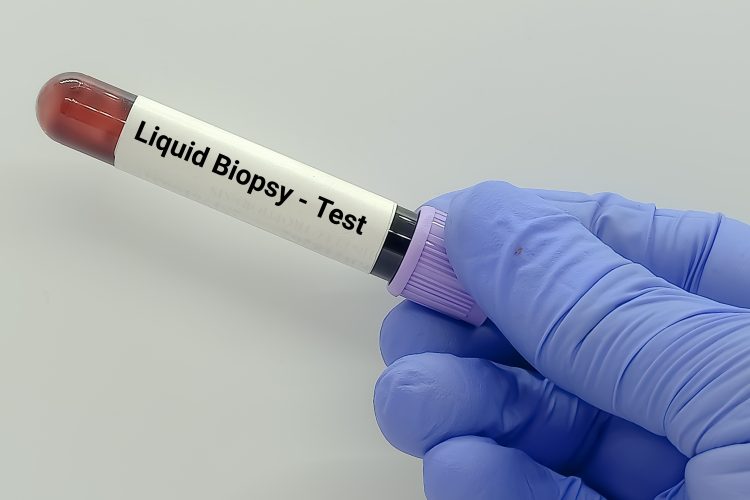
Vortex Liquid Biopsy Solutions Ltd (‘Vortex’), a leading innovator in oncology diagnostics, has announced a major new clinical study with The Doctors Laboratory (TDL) Trials, aimed at transforming how cancer is monitored and treated. The research will take place at TDL’s advanced facilities in the HALO Building, London, and will focus on assessing how effectively Vortex’s technology can capture and analyse live circulating tumour cells (CTCs) from patient blood samples.
A less invasive, more dynamic approach
Traditional tumour biopsies require surgically removing tissue, a procedure that is invasive, disruptive and unsuitable for many patients. Vortex’s liquid biopsy platform offers a less invasive alternative by isolating intact, living cancer cells directly from whole blood within about an hour. These cells are captured at high purity and high yield, preserving their natural state for detailed analysis.
Vortex’s liquid biopsy platform offers a less invasive alternative by isolating intact, living cancer cells directly from whole blood within about an hour.
“Cancer is a leading cause of death worldwide and while treatments have advanced significantly, clinicians still need better ways to track how the disease is responding in real time,” said Dr Paul Reeves, managing director of Vortex. “This study is an important step in showing how live circulating tumour cells can give doctors that insight, helping to refine treatment choices and improve outcomes for patients.”
Automation now plays a central role in discovery. From self-driving laboratories to real-time bioprocessing
This report explores how data-driven systems improve reproducibility, speed decisions and make scale achievable across research and development.
Inside the report:
- Advance discovery through miniaturised, high-throughput and animal-free systems
- Integrate AI, robotics and analytics to speed decision-making
- Streamline cell therapy and bioprocess QC for scale and compliance
- And more!
This report unlocks perspectives that show how automation is changing the scale and quality of discovery. The result is faster insight, stronger data and better science – access your free copy today
The ability to analyse live CTCs could offer clinicians a clearer, more immediate picture of how a patient’s cancer is evolving. Biomarker characterisation, mutation tracking and treatment-response monitoring – all carried out on cells collected through a simple blood draw – could help guide therapy selection far more dynamically than traditional methods.
Combining live cell capture with advanced analytics
Set to begin in Q4 2025, the study will be supported by AxonDx, Vortex’s strategic partner. AxonDx will apply its AI-driven analytical tools to interpret the captured cells, allowing for deeper biological insights that could help clinicians monitor disease progression more precisely. This integration of live-cell isolation and advanced computational analysis represents an emerging frontier in personalised cancer care.
This collaboration brings together clinical excellence and cutting-edge technology to address a growing global health need.
“This collaboration brings together clinical excellence and cutting-edge technology to address a growing global health need,” said Dr Nigel Brookes, non-executive chairman of Vortex. “Partnering with TDL, a leader in clinical laboratory services, allows us to generate the real-world evidence needed to bring liquid biopsy testing into routine clinical use and make precision medicine more accessible worldwide.”
A potential turning point in cancer monitoring
By capturing living cancer cells in their natural, unaltered state, researchers and clinicians can observe how tumours behave and respond to treatment in near real time. This could enable earlier detection of therapeutic resistance, more accurate tracking of disease progression and more confident clinical decision-making.
By capturing living cancer cells in their natural, unaltered state, researchers and clinicians can observe how tumours behave and respond to treatment in near real time.
If successful, the study could contribute to a shift towards routine clinical adoption of liquid biopsy testing, reducing reliance on surgical procedures and giving clinicians faster, more actionable insights. For patients, this may translate into more personalised treatment plans and improved outcomes.
The partnership between Vortex, TDL and AxonDx could drive the pursuit of next-generation cancer diagnostics – and highlights the growing potential of live-cell liquid biopsy to reshape modern oncology.
Related topics
Artificial Intelligence, Assays, Biomarkers, Cell Cultures, Cell-based assays, Clinical Trials, Drug Discovery Processes, Oncology, Personalised Medicine, Precision Medicine, Translational Science
Related conditions
Cancer
Related organisations
AxonDx, The Doctors Laboratory, Vortex