


Maternal stress may alter foetal brain development via immune pathways
Posted: 12 January 2026 | Drug Target Review | No comments yet
Stress during pregnancy may disrupt the maternal gut-immune system, altering foetal brain development and revealing sex-specific vulnerabilities linked to neurodevelopmental risk
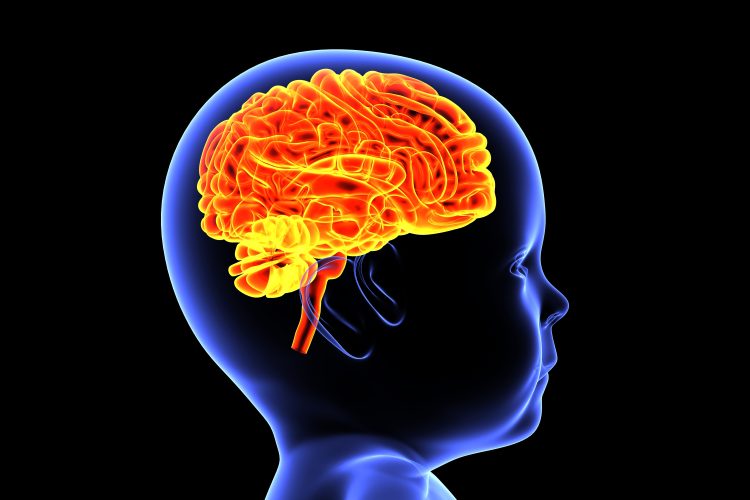
Stressors during pregnancy that affect a mother’s gut microbiome and immune system may have lasting consequences for foetal brain development, according to new research from Boston Children’s Hospital. The study offers new insight into how maternal biology influences the developing brain, potentially increasing the risk of neurodevelopmental disorders in children.
Previous research has shown that changes in the maternal immune system are associated with conditions such as autism and schizophrenia. However, the exact biological mechanisms associated with this link have long been unclear. This new study expands understanding of the so-called ‘gut-immune axis’ by mapping how immune activation and microbiome disruption during pregnancy alter the neuroimmune environment of the foetal brain.
Mapping the foetal neuroimmune landscape
The research was led by Brian Kalish, MD, physician in medicine in the division of new born medicine at Boston Children’s Hospital. His team focused on how maternal stressors influence immune gene activity in the developing brain during mid- and late gestation.
Using a combination of in situ spatial transcriptomics, known as MERFISH, and single-cell RNA sequencing, the researchers were able to visualise where immune-related genes are activated within the embryonic mouse brain.
Using a combination of in situ spatial transcriptomics, known as MERFISH, and single-cell RNA sequencing, the researchers were able to visualise where immune-related genes are activated within the embryonic mouse brain. This dual-modality approach allowed the team to create a comprehensive developmental atlas of immune gene expression during a critical window of brain formation.
“Our study establishes a detailed spatial transcriptomic resource of immune gene networks during a critical window of embryonic brain development,” says Kalish. “Unlike previous atlases focused on the adult brain, our dataset captures dynamic immune signalling interactions at a stage when the brain is highly vulnerable.”
Sex-specific vulnerability identified
One of the key findings was the discovery of sex-specific responses in the developing brain. The researchers found that male foetal brains showed particular vulnerability in a specific immune signalling pathway when exposed to maternal gut and immune disruptions.
This pathway, known as the CXCL12/CXCR7 signalling pathway, was identified as a key mediator of abnormal neural differentiation. The findings suggest it could represent a potential target for early therapeutic intervention, particularly in male offspring who may be more susceptible to neurodevelopmental disruption.
Implications for early intervention
The findings have important implications for understanding how early-life environmental factors influence long-term brain health. By pinpointing specific immune pathways involved in abnormal development, the research could lead to new preventative or therapeutic strategies during pregnancy.
The findings have important implications for understanding how early-life environmental factors influence long-term brain health.
“As a neonatologist, this work adds to our understanding early-life environmental factors that may impact neurodevelopmental potential and lends insights for potential interventions”, said Kalish.
While the research was conducted in mice, the authors believe the mechanisms identified are likely to be relevant to human brain development. Future studies will aim to explore how these immune pathways could be safely modulated during pregnancy to reduce the risk of neurodevelopmental disorders.
Related topics
Animal Models, Central Nervous System (CNS), Disease Research, Genomics, Immunology, Microbiome, Neurosciences, Research & Development, Sequencing, Translational Science
Related conditions
neurodevelopmental disorders
Related organisations
Boston Children's Hospital
