


news
Evaluating the anti-obesity effects of tocotrienols
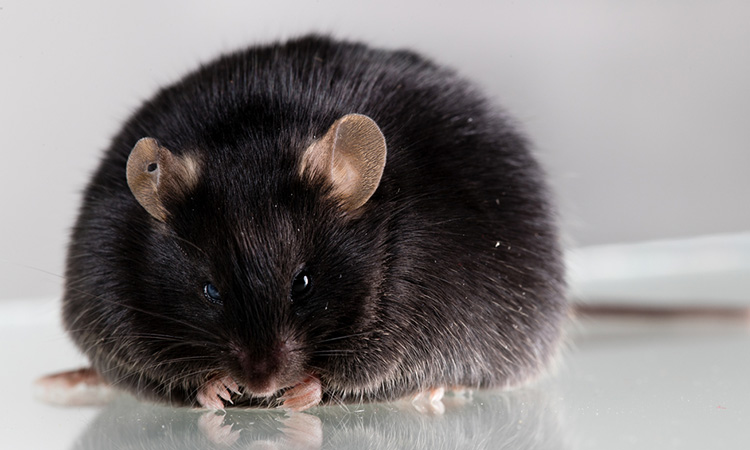
The new study found T3s treatment exhibited neuroprotective effects in HFSD-fed mice by mitigating oxidative stress.
List view / Grid view
The new study found T3s treatment exhibited neuroprotective effects in HFSD-fed mice by mitigating oxidative stress.

US researchers uncover that body building supplement: HMB, may help stop the progression of Alzheimer’s disease.
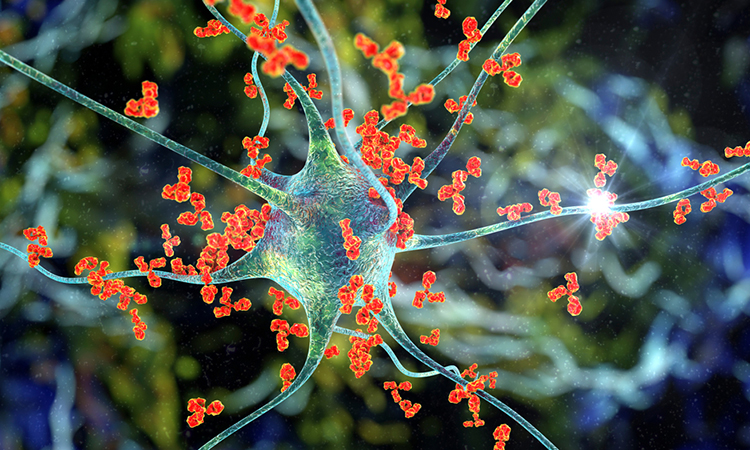
According to Swedish study, muscle fibres found in extraocular muscles seem to be resistant and even increase in proportion in those with ALS. This offers new treatment avenues for slowing down the disease.

US researchers uncover that certain nerve cells that have the capacity to regrow, are necessary for axon regeneration, providing hope for conditions like blindness and paralysis.
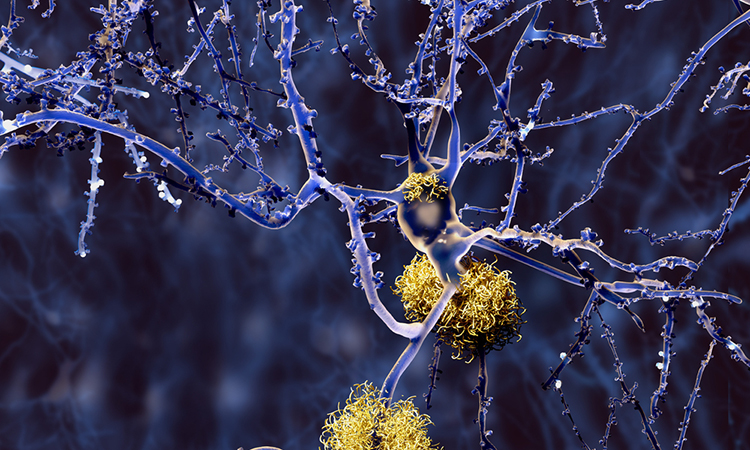
Chinese researchers discover a mutation, referred to as the "Shanghai APP" mutation, which has been linked to late-onset Alzheimer's disease and offers fresh insights into the disease's underlying molecular mechanisms.
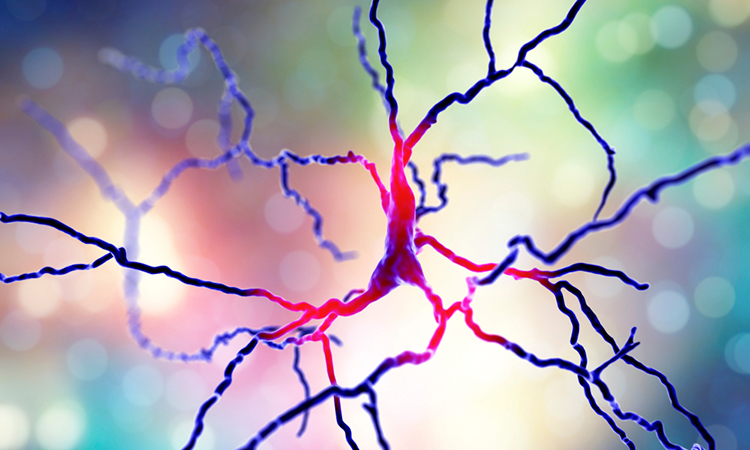
US researchers used focused ultrasound with microbubbles to examine glymphatic system of the brain, which plays a crucial role in clearing metabolic waste from the brain.


The gene therapy restored the ability of neurons to convert levodopa to dopamine and may help develop therapies to slow disease progression.
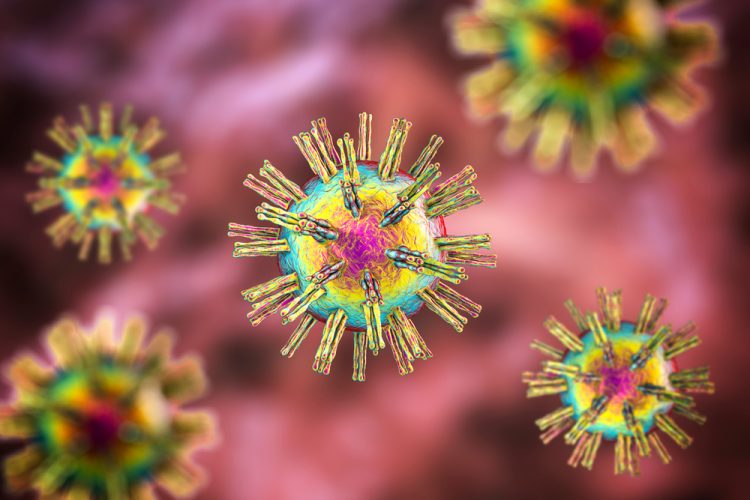
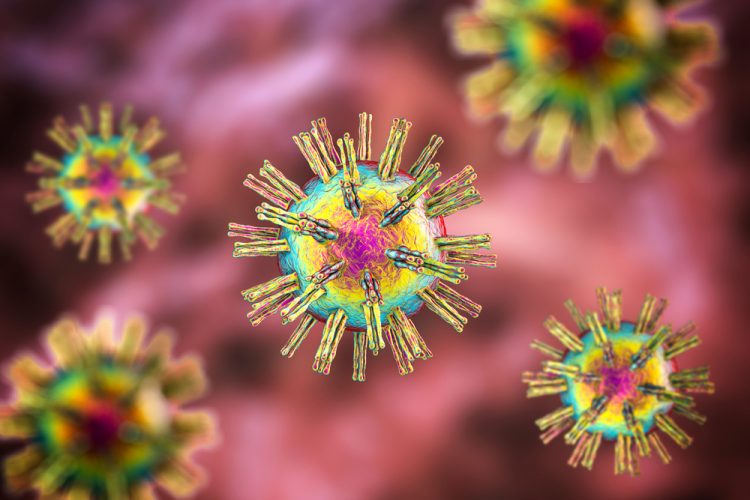
Mammalian target of rapamycin complex 2 (mTORC2) was found to prevent brain damage in mice infected with herpes simplex virus 1 (HSV-1).


Researchers identified three microRNAs whose levels were associated with mental performance in cells, mice and humans.


Mission Therapeutics was granted $500,000 from the The Michael J Fox Foundation for Parkinson’s Research for DUB inhibitor testing.


Stealth BioTherapeutic's SBT-272 improved mitochondrial motility in a murine model of amyotrophic lateral sclerosis.


Axitinib, a common chemotherapy drug, restored memory and cognitive function in mouse models, representing a potential Alzheimer’s treatment.
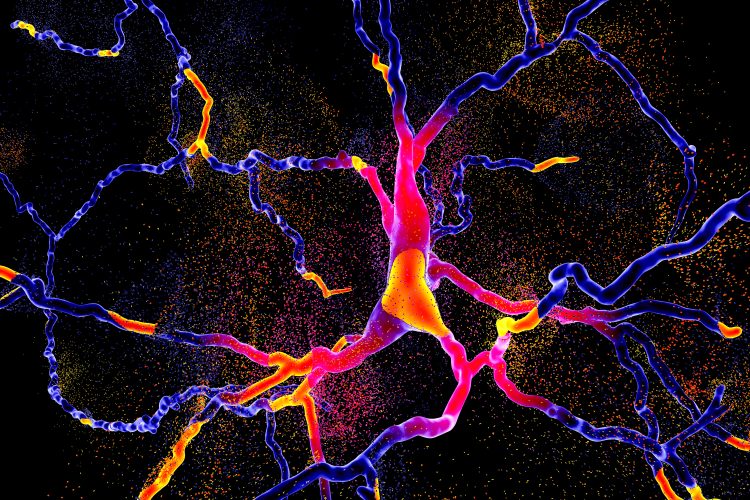
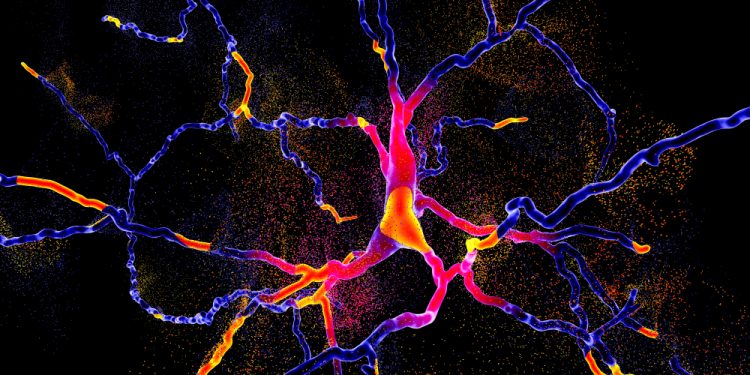
Sinopia has been awarded a $3.3 million Fast-Track SBIR grant to fund the study for its small molecule candidate for Parkinson’s disease.


Stealth BioTherapeutics reported positive data from a pre-clinical study evaluating SBT-272 in a murine model of Parkinson's disease.


Limiting neuroinflammation was shown to be a promising approach to treat neurological diseases such as stroke and spinal cord injury in mice.