



All Immunology articles
-
 News
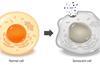
NewsCMA restoration may clear senescent cells in ageing tissues
Researchers at Albert Einstein College of Medicine have identified a cellular recycling pathway whose age-related decline allows senescent ‘zombie’ cells to evade immune clearance.
-
 News
NewsSynthetic protein targets TLR4 within membrane to curb inflammation
Scientists at Scripps Research have engineered a synthetic protein capable of binding to Toll-like receptor 4 within the cell membrane, reducing inflammatory signalling.
-
 News
NewsNew P. vivax vulnerability could prevent liver-stage malaria infection
A newly identified epitope on the circumsporozoite protein of Plasmodium vivax could offer a route to vaccines that prevent liver-stage infection and curb the relapse-driven transmission cycle.
-
 News
NewsThree-signal method converts blood B cells into germinal centre-like cells
Researchers at the University of Osaka have developed a streamlined laboratory method that uses just three sequentially delivered signals to convert naive B cells from human blood into cells closely resembling germinal centre B cells.
-
 News
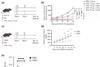
NewsVaccine adjuvant AS01 shown to induce trained immunity in monocytes
A preclinical study published in Myeloid Cells reports that AS01, a vaccine adjuvant system, can induce trained immunity in human monocytes and reduce tumour growth in selected mouse cancer models.
-
 News
NewsWhat SIRPα reveals about how breast cancer takes hold in the brain
Scientists at Wake Forest University School of Medicine have uncovered a previously unrecognised cancer-intrinsic role for SIRPα in triple-negative breast cancer, linking the cell-surface protein to mitochondrial fission, tumour-cell migration and suppression of the brain’s immune defences.
-
 News
NewsBCG and immunotherapy combination cuts tuberculosis relapse risk
Combining the BCG vaccine with a B-cell-targeting immunotherapy significantly reduced tuberculosis relapse rates in preclinical models.
-
 News
NewsSalk researchers uncover how interferons switch from anti- to pro-cancer
Researchers at the Salk Institute have identified a cellular pathway through which prolonged interferon exposure triggers mitochondrial dysfunction, PGE2 production and suppression of anti-tumour immunity – offering a potential strategy for overcoming immunotherapy resistance.
-
 News
NewsExperimental RNA drug reverses scleroderma signs in preclinical study
An experimental synthetic non-coding RNA drug has reversed signs of systemic sclerosis in patient-derived immune cells and mouse models, with researchers now preparing an IND application to the FDA.
-
 News
NewsPeptide vaccine targeting PCSK9 reduces cholesterol and atherosclerotic plaque in mice
A structure-guided peptide vaccine targeting PCSK9 has reduced LDL cholesterol and atherosclerotic plaque burden in mouse models, offering a potential longer-lasting alternative to existing PCSK9-targeting biologics, though primate results remain inconclusive.
-
 News
NewsRegnase-1 deletion boosts CAR T-cell efficacy against paediatric osteosarcoma
St Jude researchers have demonstrated that deleting the Regnase-1 gene from CAR T cells significantly improves tumour control and prevents metastasis in preclinical models of relapsed osteosarcoma, paving the way for an early-phase clinical trial.
-
 News
NewsHER3-DXd and olaparib combination boosts lung cancer treatment responses
A new preclinical study finds that combining the antibody-drug conjugate HER3-DXd with PARP inhibitor olaparib significantly improves treatment responses in NSCLC models, including those harbouring EGFR and KRAS mutations, by overwhelming DNA repair capacity and activating innate immune signalling.
-
 News
NewsIL-17 identified as potential immunotherapy biomarker in ovarian cancer
A new study has identified IL-17 as a potential biomarker for immunotherapy response in a small subset of clear cell ovarian cancer cases, offering a possible route to personalised treatment for a disease historically resistant to immune-based therapies.
-
 News
NewsExhausted T cells escape tumours to drive lasting cancer immunity
A preclinical study has identified a subset of exhausted, LAG3-expressing T cells capable of migrating out of tumours to establish long-term immune memory, with potential implications for LAG3-targeting cancer immunotherapies.
-
 News
NewsScientists identify a new vaccine design strategy for stronger HIV immunity
Two preclinical studies published in Science Translational Medicine suggest that the binding strength and structural repetitiveness of vaccine nanoparticles could be a critical design parameter in the long-running effort to generate broadly neutralising antibodies against HIV.
-
 News
NewsTissue chips target immunotherapy toxicity prediction without animal models
Researchers at the University of Rochester have developed human cell-based tissue chips designed to predict serious immunotherapy toxicities, including cytokine release syndrome, and have secured entry into the FDA’s ISTAND pilot programme.
-
 News
NewsWhat Oblenio’s Phase I trial means for autoimmune drug discovery
Oblenio Bio has dosed the first patients in a Phase 1a trial of LBL-051, a tri-specific T cell engager designed to simultaneously target CD19, BCMA and CD3 and eliminate both B cells and plasma cells in a bid to achieve durable immune reset in refractory autoimmune diseases.
-
 News
NewsHow dendritic cells organise tumour immunity – and why drug developers should take notice
A new study published in Science identifies a specialised dendritic cell subset as the cellular architects behind tertiary lymphoid structures, offering a potential new target for boosting anti-tumour immunity and converting immunologically cold tumours into treatment-responsive ones.
-
 Webinar
Meeting ethical & regulatory requirements when using human biological specimens
Whether you source, purchase or work with human biospecimens, understanding today’s ethical and regulatory expectations is essential. Join this webinar to explore informed consent, privacy and the principles that support responsible research.
-
 News
NewsPCSK9 peptide vaccine lowers LDL cholesterol in preclinical studies
A structure-guided peptide vaccine targeting PCSK9 has demonstrated durable antibody responses and reduced LDL cholesterol levels in mouse models of hypercholesterolaemia, offering a potential long-lasting alternative to current lipid-lowering therapies.