

All Imaging & Diagnostics articles
-
 News
AC Immune selects ACI-6758 intrabody as lead ALS candidate
AC Immune has nominated ACI-6758, a fully humanised intracellular antibody, as its lead development candidate for ALS, following preclinical data demonstrating up to 75 percent reduction in phosphorylated TDP-43 pathology.
-
 Article
The role of live-cell imaging in evaluating drug responses
Two compounds can produce similar endpoint results yet trigger very different cellular responses. Live-cell imaging allows researchers to track these differences and identify effects that conventional assays may miss.
-
 News
Iron oxide nanoparticles enhance light-based cancer therapy efficacy
Japanese researchers have augmented near-infrared photoimmunotherapy with iron oxide nanoparticles, introducing a ‘photothermal bystander effect’ capable of destroying EGFR-negative cancer cells that would otherwise evade treatment.
-
 News
Cellular atlas of DCIS reveals clues to invasive breast cancer progression
A large-scale single-cell atlas of ductal carcinoma in situ has identified novel stromal structures and microenvironmental features that may help distinguish lesions at risk of progressing to invasive breast cancer.
-
 News
3D Cell Painting reveals cancer drug differences missed in 2D
Two cancer drugs appeared almost identical in conventional screening, but a new 3D Cell Painting method exposed striking differences in their effects, raising questions about what 2D models might miss.
-
 Article
Earlier MSA detection could guide alpha-synuclein drug discovery
MSA and Parkinson’s share the same protein pathology, yet MSA progresses far faster. Could earlier detection reveal why and help researchers identify more effective targets for drug discovery?
-
 Article
Turning CNS biomarkers into better drug development decisions
Why do promising CNS therapies struggle to translate into patients? Three experts explore how biomarkers can track therapeutic effects, improve patient selection and guide development decisions.
-
 Webinar
Spatial proteomics in FFPE tumour tissue: an end-to-end workflow from prostate cancer research
Follow a complete high-plex spatial proteomics workflow on archival FFPE tumour tissue, from marker-panel design to cell phenotyping, with a prostate cancer case study from the University of Surrey.
-
 Report
Building biomarkers that drug developers can rely on
Discover how integrated technologies, multiomic approaches and AI are helping researchers translate complex biological signals into actionable tools for drug development and patient care.
-
 News
Automated MRI pipeline standardises preclinical stroke damage measurement
An automated imaging pipeline developed at USC’s Stevens Neuroimaging and Informatics Institute can measure stroke-related brain tissue damage from MRI scans with accuracy matching human experts, offering a scalable, standardised tool for preclinical drug evaluation across multi-site research networks.
-
 News
Fullscope-seq maps transcript isoforms with spatial single-cell resolution
Researchers have developed Fullscope-seq, a long-read spatial transcriptomics platform that maps alternative transcript isoforms within intact tissues at single-cell resolution – opening new possibilities for target identification and precision biomarker discovery.
-
 News
Blood test for protein misfolding identifies Alzheimer’s risk years before symptoms
A blood-based biomarker measuring amyloid beta protein misfolding has demonstrated superior predictive accuracy for pre-symptomatic Alzheimer’s disease compared with p-tau 217, achieving an AUC of 0.87 when combined with genetic and demographic data.
-
 Article
How spatial biology is tracking antibody drugs inside tumours
Many antibody therapies fail to reach all cancer cells within solid tumours. Researchers have developed a spatial biology technique that maps antibody distribution alongside the tumour microenvironment to investigate why.
-
 News
Spatial map reveals hidden complexity of bladder cancer tumours
Researchers at MD Anderson Cancer Center have used spatial transcriptomics to chart the internal architecture of muscle-invasive bladder cancer, revealing that luminal and basal cancer cell programmes coexist within single tumours – a finding with significant implications for treatment stratification.
-
 News
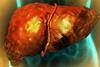
Accessible multiplex imaging workflow advances spatial liver disease research
A new multiplex immunofluorescence workflow using standard laboratory equipment and open-source software enables detailed spatial analysis of liver tissue, organoids and organ-on-a-chip models, lowering barriers to advanced spatial biology in hepatology research.
-
 Report
Context is everything: how spatial biology is changing our understanding of disease
Discover how spatial biology is revealing disease mechanisms with implications for biomarkers, immunotherapy and drug development.
-
 Article
AACR 2026 part two: integrating AI, spatial biology and next-gen therapeutics
In part two of our AACR 2026 coverage, industry leaders were focussed on how the field is no longer constrained by data generation or molecular design, but by the challenge of connecting systems, standardising workflows and ensuring biological insights.
-
 News
Study reveals how GLP-1 drugs trigger weight loss in brain cells
NIH researchers have identified the intracellular signalling pathways through which semaglutide and other GLP-1 receptor agonists induce weight loss, revealing why patient responses vary and treatment effects plateau over time.
-
 Report
Organoids and Organ Chips: Improving Decision-Making in Early Drug Discovery
Traditional preclinical models do not always predict what will happen in patients. This report explores how organoids, organ-on-chip systems and advanced imaging are being used to generate more clinically relevant insights and support better decision-making earlier in drug discovery.
-
 News
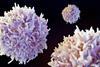
New imaging reveals how immune cells destroy cancer
Cryo-expansion microscopy has enabled researchers to visualise the three-dimensional organisation of cytotoxic T lymphocytes destroying cancer cells in their near-native state, revealing nanoscale structural details of the immune synapse and cytotoxic granules that could refine immuno-oncology therapeutic strategies.