


All Drug Targets articles
-
 News
PSD-95 inhibition identified as therapeutic target for MEF2C haploinsufficiency
Researchers at the University of Illinois Urbana-Champaign have identified PSD-95, a synaptic scaffolding protein, as a potential therapeutic target for neurological disorders associated with loss of the autism-linked gene MEF2C.
-
 News
Zinc finger protein found to suppress amyloid-beta aggregation in Alzheimer’s
A protein best known for regulating genes has been shown to suppress amyloid-beta aggregation and reduce aggregate toxicity in a transgenic mouse model of Alzheimer’s disease.
-
 News
DUSP4 protein identified as key to preventing CAR T cell exhaustion
A protein called DUSP4 has been found to help CD8+ T cells resist exhaustion in the tumour microenvironment, with researchers demonstrating that boosting its activity enhances the performance of engineered CAR T cells against colorectal cancer.
-
 Article
Strong binding isn’t enough – why cellular target engagement matters
Promising compounds don’t always engage their targets in living cells. At ELRIG Drug Discovery 2026, Dr Joshua Sopp of Promega discusses why earlier cellular testing matters and how BRETSA could help researchers investigate new drug targets.
-
 News
ANO6 protein identified as dual therapeutic target in pancreatic cancer
Researchers at Fox Chase Cancer Center have identified anoctamin 6 (ANO6) as a potential therapeutic target in pancreatic cancer, finding that blocking the protein disrupts both nutrient transfer to tumour cells and immune evasion in preclinical models.
-
 News
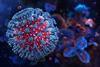
Novel RNA-protein interactions reveal conserved SARS-CoV-2 antiviral targets
A new study has mapped previously unknown RNA-protein interactions across the SARS-CoV-2 genome, identifying conserved sites involving RdRp and the nucleocapsid protein as potential antiviral drug targets less susceptible to mutational escape.
-
 News
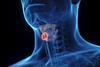
YAP/TAZ protein hyperactivity linked to immune evasion via PD-L2 upregulation
Researchers have identified a mechanism by which overactive YAP and TAZ proteins may simultaneously increase cancer cell visibility to the immune system and shield tumours from T-cell attack.
-
 Interview
How multiomics can strengthen drug target discovery
How can multiomics help researchers identify more promising drug targets? Dr Shi-qi An explores how combining molecular data can reveal therapeutic vulnerabilities and mechanisms of drug resistance.
-
 News
SMVT brain transporter protein opens new drug delivery route
Researchers have identified a transporter protein that could enable creatine derivatives and other therapeutic compounds to cross the blood-brain barrier, with potential implications for treating Creatine Transporter Deficiency Syndrome and other neurological disorders.
-
 News
Bispecific antibody targets regulatory T cells to enhance tumour immunity
A bispecific antibody targeting CCR8 and CD3 has demonstrated the ability to deplete immunosuppressive regulatory T cells and slow tumour growth across multiple cancer models.
-
 Article
Targeting SRC-3 to reprogramme regulatory T cells in cancer
Could targeting SRC-3 in regulatory T cells help overcome tumour immunosuppression? Researchers explain how this approach could restore anti-tumour immunity and what remains to be proven in patients.
-
 News
New TRPV1 study could change how painkillers are designed
Researchers have found that the TRPV1 pain receptor responds differently to individual stimuli, revealing functional differences that could help inform the development of more selective pain medicines.
-
 Article
Earlier MSA detection could guide alpha-synuclein drug discovery
MSA and Parkinson’s share the same protein pathology, yet MSA progresses far faster. Could earlier detection reveal why and help researchers identify more effective targets for drug discovery?
-
 News
Disrupting cell-wall transport could expose weakness in resistant bacteria
Researchers have identified a weakness in antibiotic-resistant bacteria that could help restore susceptibility to existing treatments by disrupting a lipid carrier essential for bacterial cell-wall synthesis.
-
 News
Researchers solve 30-year mystery of key inflammatory enzyme gene
A gene responsible for producing a critical enzyme in inflammatory signalling has been identified after more than 30 years, with findings suggesting the pathway acts as both an immune alarm and a cellular shield with implications for cancer, IBD and asthma.
-
 News
BCAT1 enzyme identified as fibrosis target after heart attack
Researchers at Nagoya University have identified BCAT1, an enzyme involved in proline supply for collagen synthesis, as a potential target for reducing cardiac fibrosis following myocardial infarction.
-
 Article
Finding drug targets through the noise of complex disease
The strongest disease signal may not point to the best drug target. AI could help researchers identify what matters within complex biological networks.
-
 News
VPS34 inhibition boosts GD2 visibility to enhance neuroblastoma immunotherapy
Penn State researchers have shown that inhibiting the protein VPS34 increases GD2 display on neuroblastoma cell surfaces, making tumours more visible to anti-GD2 antibodies and improving outcomes in preclinical combination studies.
-
 News
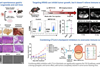
KRAS inhibition and CTLA-4 blockade could overcome gastric cancer immunotherapy resistance
Researchers have identified oncogenic KRAS as a key driver of immunosuppression in gastric adenocarcinoma.
-
 News
Existing drug could target neuroinflammation across multiple brain disorders
Researchers at the University of Birmingham have identified the P2X7 receptor as a key driver of neuroinflammation in human brain tissue, raising the prospect of repurposing existing therapies to treat various brain conditions.