


news
OTULIN enzyme found to control tau production in Alzheimer’s
New research has shown that the enzyme OTULIN regulates tau at the gene-expression level rather than through protein degradation.
List view / Grid view
New research has shown that the enzyme OTULIN regulates tau at the gene-expression level rather than through protein degradation.
Researchers at UTHealth Houston have initiated a new stem cell therapy trial aimed at reducing neuroinflammation to prevent Alzheimer's disease before symptoms emerge, an approach that could revolutionise treatment strategies, offering new hope for at-risk individuals.
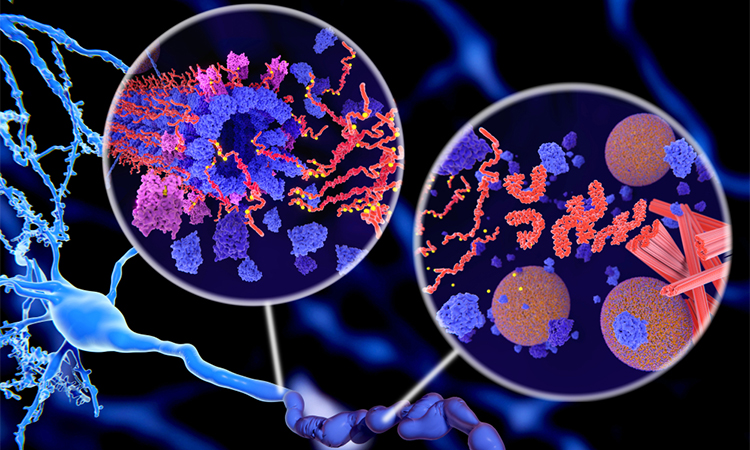
OLX-07010, a new drug from Oligomerix, shows potential in reducing tau protein tangles, a key factor in Alzheimer's and other tau-related diseases. Early studies suggest it could be a breakthrough in targeting tau aggregation and improving brain function.


Posdinemab, being investigated by Johnson & Johnson, has received FDA fast-track status. Hear from Dr Fiona Elwood as she explains how Johnson & Johnson’s precision medicine approach could transform Alzheimer’s treatment.


Researchers at Washington University are developing a vaccine using nanofiber technology to prevent dementia, offering a safer and more effective alternative to current treatments.
Scientists have decoded the 3D structure of a key enzyme linked to Alzheimer's disease. This breakthrough opens up new possibilities for targeted drug development and better treatment options.
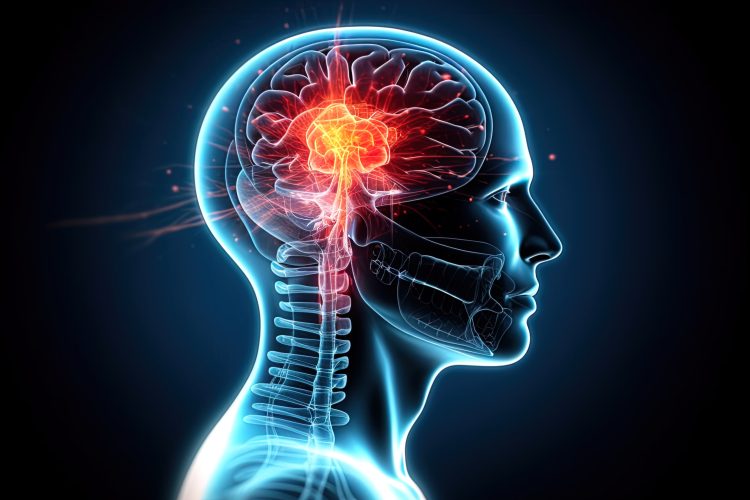
For the first time, researchers reveal the involvement of OXT in object recognition memory through the supramammillary nucleus.

US researchers say new mechanism could lead to new drugs and therapies to treat normal cognitive decline in aging.
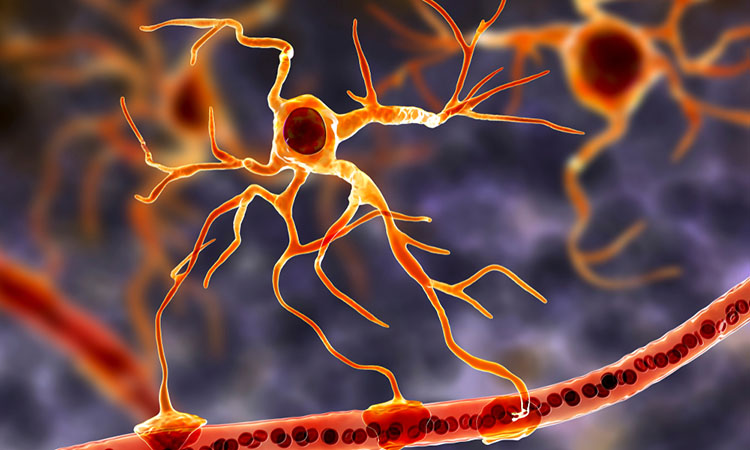
US scientists have developed a potential medication for the genetic cause of ALS and dementia, that eliminates the mutated segments of RNA.

Researchers have developed a new method to screen drugs for Alzheimer’s disease, shedding light on why current drugs have failed and identifying novel drug targets.

Researchers have discovered two types of cells in the brain that are involved in organising discrete memories based on when they occurred. This finding improves the understanding of how the human brain forms memories and could have implications in memory disorders such as Alzheimer’s disease.
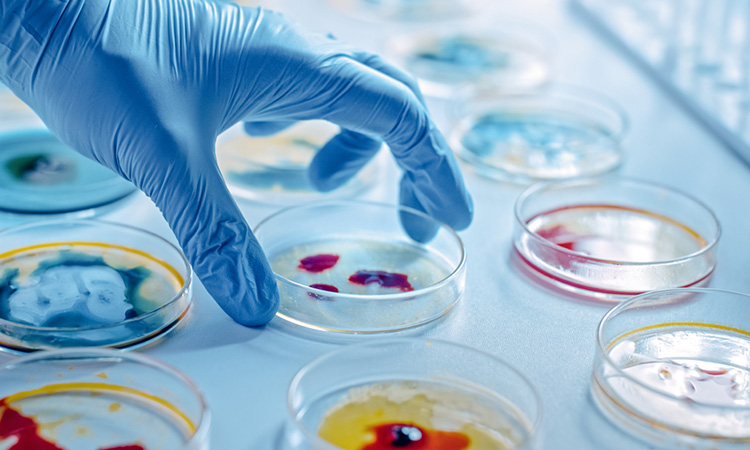
Researchers have innovated the petri dish to be able to grow and age live brain cells from patients with neurological disorders.

In mice, researchers have shown that δ-valerobetaine plays a role in neurocognitive ability, making the metabolite a target for age-related memory loss.
Dr Antal Szalay, CEO and Founder of Ultimate Medicine, explores how the analysis of omics data, especially metabolomics and proteomics, can provide researchers with vital insight that can inform the development of drugs for conditions associated with age.


Researchers identified three microRNAs whose levels were associated with mental performance in cells, mice and humans.
