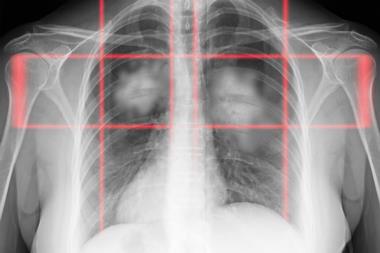



A new analysis has identified the hormone estrone as a major driver of aggressive breast cancer in post-menopausal women with obesity, meaning that weight-loss drugs could help improve treatment outcomes.
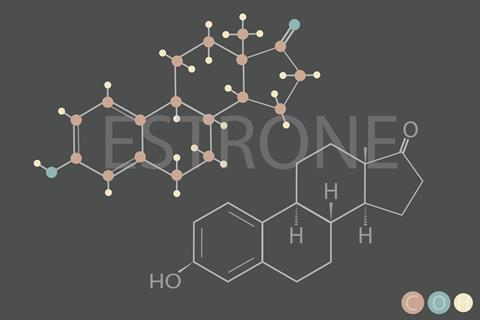
A new scientific analysis has highlighted an under-recognised hormone that may explain why post-menopausal women with obesity face a significantly higher risk of dying from the most common form of breast cancer. The findings also suggest that outcomes could potentially be improved with the use of GLP-1 receptor agonists, a class of popular weight-loss drugs.
The review focuses on oestrogen receptor-positive (ER+) breast cancer – the most common and deadliest form of the disease in women after menopause.
“They are more likely to be diagnosed with this form of the disease, and they are 2-3 times more likely to die from it,” said Dr Joyce Slingerland, MD, co-leader of the Cancer Host Interaction Program at Georgetown University’s Lombardi Comprehensive Cancer Center. “That’s particularly concerning because it’s estimated that obesity will affect nearly half of women in the United States by the end of the decade.”
Estrone: the overlooked oestrogen
Slingerland’s analysis points to estrone – a hormone produced in fat tissue – as a major driver of breast cancer progression in post-menopausal women with obesity. Although often overshadowed by another form of oestrogen, 17β-oestradiol, estrone becomes the dominant oestrogen circulating in the body after menopause.
Slingerland’s analysis points to estrone – a hormone produced in fat tissue – as a major driver of breast cancer progression in post-menopausal women with obesity.
Prior to menopause, 17β-oestradiol is produced by the ovaries and plays a key role in regulating inflammation. But once its levels plummet after menopause, estrone becomes the primary form of oestrogen in the bloodstream, breast tissue, fat and other organs.
Despite their chemical similarities, Slingerland’s research proves that these hormones act very differently. “Simply put, these two oestrogens are not equal to each other,” she said.
Her earlier work showed that 17β-oestradiol dampens inflammation by blocking the activity of NFκB proteins. Estrone, however, joins with NFκB to activate genes that trigger widespread inflammation.
How estrone fuels cancer progression
In women with obesity, estrone levels in fat and breast tissue are two to four times higher than normal. Slingerland’s studies show that this surge ignites a powerful inflammatory response that can prompt precancerous changes and stimulate cancer-driving genes.
In women with obesity, estrone levels in fat and breast tissue are two to four times higher than normal.
A 2022 study found that this estrone-driven inflammatory response activates genes involved in epithelial-mesenchymal transition – a process closely linked to cancer metastasis. In experiments on obese mice with ER+ breast cancer, estrone not only accelerated tumour growth but also caused cancers to spread rapidly throughout the body.
There is also evidence that estrone suppresses immune responses, making it harder for the body to detect and eliminate cancer cells.
“These connections should prompt us to rethink how we approach treating cancer in these women,” Slingerland said.
Could GLP-1 weight-loss drugs make a difference?
Given the strong link between estrone levels, inflammation and cancer progression, Slingerland argues that clinical trials of GLP-1 receptor agonists in women with ER+ breast cancer and obesity should be the logical next step.
Lifestyle approaches such as improved diet and exercise have shown some benefit, but their long-term impact remains uncertain.
“The GLP-1 drugs have revolutionised weight loss,” Slingerland said. “Because of estrone’s powerful inflammatory effects in fat, there’s real potential that, by inducing weight loss, GLP-1 drugs can pump the brakes on estrone’s cancer-fuelling behaviour.”




Topics
- Analytical Techniques
- Cancer
- Cancer
- Disease Research
- Dr Joyce Slingerland (co-leader of the Cancer Host Interaction Program at Georgetown University’s Lombardi Comprehensive Cancer Center)
- Drug Development
- Drug Targets
- Georgetown University’s Lombardi Comprehensive Cancer Center
- Hormones
- Immunology
- Immuno-oncology
- Metabolic disorders
- Molecular Biology
- Oncology
- Tools and techniques
- Translational Science