


New research aims to make FDA-approved drugs safer for the brain
Posted: 23 December 2025 | Drug Target Review | No comments yet
Life-saving HIV and cancer drugs can carry serious neurological risks, and new funding will help UMBC researchers discover how these medicines damage the brain – which could help to inform safer treatments.
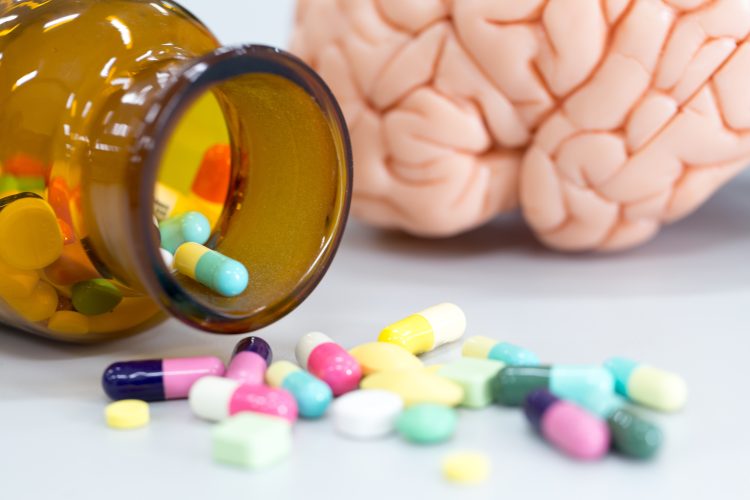
Important FDA-approved drugs used to treat HIV and cancer save countless lives, but for many patients they come with a serious cost. Up to half of those treated with certain medications experience neurological side effects, ranging from confusion and memory problems to permanent nerve damage. A new research grant will allow scientists at the University of Maryland and Baltimore County (UMBC) to dig deeper into why these effects occur – and how they can be prevented.
Kamal Seneviratne, assistant professor of chemistry and biochemistry at UMBC, has been investigating how widely prescribed drugs can damage the brain at a molecular level. His work focuses on understanding the hidden biological mechanisms behind drug-induced neurotoxicity, with the aim of mitigating harm while preserving life-saving benefits.
Building on a breakthrough discovery
In 2024, Seneviratne’s laboratory published the first study to show that the HIV drug efavirenz disrupts lipid metabolism in the brain. The research revealed that the drug throws the brain’s lipid chemistry out of balance in specific regions, offering early clues as to why neurological side effects occur.
Now, the Maryland Stem Cell Research Fund (MSCRF) has awarded Seneviratne a $350,000 grant to extend this work. The team will examine how efavirenz, another HIV drug called dolutegravir, and the chemotherapy agent oxaliplatin damage brain cells over time.
From animal models to human brain organoids
The new project is strengthened by a collaboration with neurologist Jinchong Xu at Johns Hopkins University, who specialises in human neural cells. Together, the researchers will conduct experiments using miniature human brain organoids.
With the organoids, we will finally see how these drugs behave inside human brain tissue.
“Animal studies are useful, but there are major limitations due to species differences. It is extremely difficult to obtain human brain tissues,” Seneviratne says. “That’s why our collaboration with Dr Xu has been a game-changer. With the organoids, we will finally see how these drugs behave inside human brain tissue.”
High-resolution insights into brain chemistry
The team will again use a cutting-edge technique known as MALDI mass spectrometry imaging, which allows scientists to visualise molecules directly within intact tissue. Unlike traditional methods that require samples to be ground up, this approach shows not only which molecules are present, but exactly where they are in the brain.
Combined with proteomics – the large-scale study of proteins – the technique will help trace how drugs and their breakdown products move through brain organoids and disrupt lipid balance. Because lipids are essential for brain cell communication and survival, such disturbances can lead to cell death and long-term neurodegeneration.
“We want to understand the ‘how’ behind the damage,” says Seneviratne. “If we can pinpoint the exact molecular warning signs, clinicians and drug companies could one day screen new medicines early in their development to help avoid these risks.”
Towards safer treatments and real-world impact
The researchers will take a deliberately holistic approach, examining not just lipids but also metabolites and proteins. Building on findings that efavirenz disrupts ceramides, they will track changes in ceramide-producing proteins across different brain cell types to identify early biomarkers of neurotoxicity.
The researchers will take a deliberately holistic approach, examining not just lipids but also metabolites and proteins.
“I’m driven by the scientific questions, not any single technique,” said Seneviratne. “We’ll use whatever tools – imaging, proteomics, molecular biology, biochemical analyses – best let us answer them.”
Beyond advancing fundamental science, the MSCRF grant encourages technology transfer, potentially leading to new screening tools or even a start-up company.
“This support lets us turn promising science into something that can genuinely help people,” Seneviratne says. “Ultimately, we hope to give clinicians better ways to protect the brain while treating deadly diseases.”
Related topics
Cancer research, Central Nervous System (CNS), Drug Development, Drug Discovery, Drug Discovery Processes, Funding, Neurosciences, Oncology, Organoids, Toxicology
Related organisations
Johns Hopkins University, University of Maryland and Baltimore County (UMBC)
