



All 3D Cell Cultures articles
-
 Article
What will it take to trust human-relevant models in drug discovery?
Could organ-on-a-chip technology help identify drug failures before clinical trials? Jim Corbett of Emulate discusses the evidence needed to make human-relevant models reliable tools in drug discovery.
-
 News
News3D Cell Painting reveals cancer drug differences missed in 2D
Two cancer drugs appeared almost identical in conventional screening, but a new 3D Cell Painting method exposed striking differences in their effects, raising questions about what 2D models might miss.
-
 Article
Reproducible organoids start with reliable cytokines
The right signals can make or break an organoid model. From growth and differentiation to downstream drug testing, cytokines and growth factors are critical to creating cultures researchers can rely on.
-
 News
NewsSelf-driving labs and advanced cell models feature at ELRIG 2026
From self-driving laboratories to advanced cellular models, ELRIG Drug Discovery 2026 showcases technologies helping researchers generate better data, evaluate drug candidates and improve early discovery.
-
 Webinar
From vial to viable: best practices for culturing organoids
Poor recovery, inconsistent growth and changes in morphology can affect organoid research. How much experimental variability starts with the culture itself?
-
 News
NewsWhiteLab Genomics raises $26m to advance AI-designed genomic medicines
TechBio firm WhiteLab Genomics has closed a $26 million Series B round to expand in vivo validation of its AI-designed genomic medicines across viral and non-viral delivery platforms.
-
 News
NewsELRIG Drug Discovery 2026 celebrates 20th anniversary at ExCeL London
ELRIG Drug Discovery 2026 returns to ExCeL London for its 20th year, with AI, automation and advanced cell models among the technologies set to feature across the two-day programme.
-
 News
NewsSynthetic protein targets TLR4 within membrane to curb inflammation
Scientists at Scripps Research have engineered a synthetic protein capable of binding to Toll-like receptor 4 within the cell membrane, reducing inflammatory signalling.
-
 News
NewsInsilico Medicine nominates AI-designed ISM1354 GIPR antagonist for obesity
Insilico Medicine has nominated ISM1354, an AI-designed small-molecule GIPR antagonist, as a preclinical candidate for obesity and related metabolic disorders.
-
 News
NewsMathematical model reveals self-reinforcing mechanism behind HE-S2 ADC cancer therapy
A mathematical model developed by researchers from Mass General Brigham and the University of Cyprus suggests that the experimental immunomodulatory antibody-drug conjugate HE-S2 may become progressively more effective as it reduces tumour size.
-
 Article
How disease exposes hidden epitopes that AI models may miss
A protein can look very different in disease without a single change to its sequence. Measuring these structural changes could reveal drug targets invisible to genomic and expression data alone.
-
 News
NewsBig Picture Bio raises £2.2m to develop AI cancer combination therapies
UK-based cancer drug discovery company Big Picture Bio has closed £2.2 million in funding to advance AI-designed combination therapies into laboratory validation, using a generative world model to map complex tumour biology across disease sites and patient subgroups.
-
 News
NewsLiver cancer organoids used to screen 1,600 potential treatments
Researchers at the University of Basel have screened more than 1,600 compounds using a biobank of 35 hepatocellular carcinoma organoids, identifying drug combinations that show selective anti-tumour activity across biologically diverse liver cancers.
-
 News
NewsInsilico launches specialist AI models for drug discovery chemistry
Insilico Medicine has unveiled a suite of compact, domain-trained AI models targeting ADMET prediction, retrosynthesis and target activity across GPCR and kinase panels, claiming state-of-the-art results on more than 70 benchmarks.
-
 Article
Six assay requirements every researcher using NAMs should know
As NAMs become more widely used in drug discovery, assays must meet the demands of more complex models. Discover six requirements for reliable, reproducible and biologically meaningful data.
-
 News
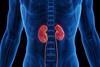
NewsStem cell-grown kidney organoids could help uncover new treatments for AKI
Researchers at Monash University have grown miniature human kidneys from stem cells that could give drug discovery teams a more human-relevant model for investigating acute kidney injury and identifying therapies that promote tissue recovery.
-
 Article
600+ patient-derived cancer models expand the search for drug targets
Hundreds of new patient-derived cancer models could strengthen target validation, identify cancer vulnerabilities and provide more representative systems for preclinical drug discovery.
-
 News
NewsHuman heart organoids with functioning valves model cardiac valve disorders
Researchers have engineered human heart organoids complete with functioning valves, creating a physiologically relevant platform to study valve disorders including mitral valve prolapse and valve calcification, and potentially accelerating the search for new treatments.
-
 News
NewsAutomated MRI pipeline standardises preclinical stroke damage measurement
An automated imaging pipeline developed at USC’s Stevens Neuroimaging and Informatics Institute can measure stroke-related brain tissue damage from MRI scans with accuracy matching human experts, offering a scalable, standardised tool for preclinical drug evaluation across multi-site research networks.
-
 News
NewsAI identifies experimental drug targeting undruggable cancer protein
Mayo Clinic researchers have used AI to screen nearly 40,000 compounds and identify a small molecule inhibitor targeting GIPC1, a protein previously considered undruggable, with preclinical results showing slowed tumour growth and enhanced chemotherapy response.