



All In Vivo Testing articles
-
 News
NewsMLY2 and MLY8 compounds show promise as ulcerative colitis treatment candidates
Two experimental compounds derived from a phase II metabolite have demonstrated improved anti-inflammatory activity in preclinical models of ulcerative colitis.
-
 News
NewsResearchers solve 30-year mystery of key inflammatory enzyme gene
A gene responsible for producing a critical enzyme in inflammatory signalling has been identified after more than 30 years, with findings suggesting the pathway acts as both an immune alarm and a cellular shield with implications for cancer, IBD and asthma.
-
 News
NewsTazbentetol shows retinal neuroprotection potential in diabetic mouse model
Experimental synaptic restoration compound tazbentetol has demonstrated neuroprotective effects in the retinas of diabetic mice, offering a potential new therapeutic avenue for diabetic retinal neuropathy ahead of detectable vascular damage.
-
 News
NewsVPS34 inhibition boosts GD2 visibility to enhance neuroblastoma immunotherapy
Penn State researchers have shown that inhibiting the protein VPS34 increases GD2 display on neuroblastoma cell surfaces, making tumours more visible to anti-GD2 antibodies and improving outcomes in preclinical combination studies.
-
 News
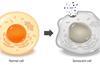
NewsCMA restoration may clear senescent cells in ageing tissues
Researchers at Albert Einstein College of Medicine have identified a cellular recycling pathway whose age-related decline allows senescent ‘zombie’ cells to evade immune clearance.
-
 News
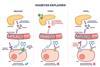
NewsMenin inhibitor KO-7246 shows β-cell regeneration in preclinical diabetes models
New preclinical data suggests that menin inhibitor KO-7246 can regenerate functional pancreatic β-cells and sustain improvements in blood glucose control across both Type 1 and Type 2 diabetes models.
-
 News
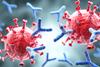
NewsIn vivo CAR T review charts path to off-the-shelf cellular therapy
A review from researchers at Naval Medical University and Shanghai Jiao Tong University examines how engineering CAR T cells directly inside the body could cut manufacturing complexity and expand patient access to cellular immunotherapy.
-
 News
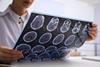
NewsExperimental drug reverses paralysis and vision loss in MS mice
A novel inflammasome inhibitor derived from HIV antivirals has reversed established neurological deficits in a preclinical MS model, raising hopes for a restorative approach to a disease where current therapies focus primarily on relapse prevention.
-
 News
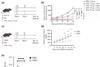
NewsVaccine adjuvant AS01 shown to induce trained immunity in monocytes
A preclinical study published in Myeloid Cells reports that AS01, a vaccine adjuvant system, can induce trained immunity in human monocytes and reduce tumour growth in selected mouse cancer models.
-
 News
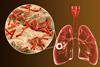
NewsBCG and immunotherapy combination cuts tuberculosis relapse risk
Combining the BCG vaccine with a B-cell-targeting immunotherapy significantly reduced tuberculosis relapse rates in preclinical models.
-
 News
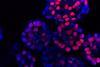
NewsLiver cancer organoids used to screen 1,600 potential treatments
Researchers at the University of Basel have screened more than 1,600 compounds using a biobank of 35 hepatocellular carcinoma organoids, identifying drug combinations that show selective anti-tumour activity across biologically diverse liver cancers.
-
 News
NewsWhy researchers are targeting Nav1.7 in the search for longer-lasting pain relief
Humanised antibodies targeting the voltage-gated sodium channel Nav1.7 have demonstrated prolonged suppression of neuropathic pain in a rat model.
-
 News
NewsExperimental RNA drug reverses scleroderma signs in preclinical study
An experimental synthetic non-coding RNA drug has reversed signs of systemic sclerosis in patient-derived immune cells and mouse models, with researchers now preparing an IND application to the FDA.
-
 News
NewsWhy cancer drug CADD522 could offer a new route to treating osteoporosis
A compound originally designed to block a cancer-associated protein has demonstrated unexpected benefits for bone health and metabolism in post-menopausal mice, suggesting a potential new mechanism for osteoporosis drug discovery.
-
 News
NewsGLP-1 drug semaglutide extends lifespan and slows ageing in older mice
A new NIH-funded study suggests the GLP-1 receptor agonist semaglutide may slow biological ageing and extend lifespan in older mice, raising the prospect that GLP-1 drugs could one day be developed as broad longevity-enhancing interventions.
-
 News
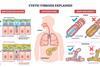
NewsEngineered tRNAs and lipid nanoparticles target nonsense mutation cystic fibrosis
A preclinical study combining chemically modified suppressor tRNAs with inhaled lipid nanoparticles has restored functional CFTR protein production across bronchial epithelial cells, mouse models and patient-derived organoids, offering a potential new therapeutic strategy for nonsense mutation-driven cystic fibrosis.
-
 News
NewsHER3-DXd and olaparib combination boosts lung cancer treatment responses
A new preclinical study finds that combining the antibody-drug conjugate HER3-DXd with PARP inhibitor olaparib significantly improves treatment responses in NSCLC models, including those harbouring EGFR and KRAS mutations, by overwhelming DNA repair capacity and activating innate immune signalling.
-
 News
NewsExhausted T cells escape tumours to drive lasting cancer immunity
A preclinical study has identified a subset of exhausted, LAG3-expressing T cells capable of migrating out of tumours to establish long-term immune memory, with potential implications for LAG3-targeting cancer immunotherapies.
-
 News
NewsAutomated MRI pipeline standardises preclinical stroke damage measurement
An automated imaging pipeline developed at USC’s Stevens Neuroimaging and Informatics Institute can measure stroke-related brain tissue damage from MRI scans with accuracy matching human experts, offering a scalable, standardised tool for preclinical drug evaluation across multi-site research networks.
-
 News
NewsMeis2 gene identified as potential therapeutic target for neurodevelopmental disorders
A gene therapy targeting parvalbumin inhibitory neurons has restored experience-dependent plasticity and reduced seizure frequency in a mouse model of neurodevelopmental disorders, offering a potential new avenue for treating autism spectrum disorder and epilepsy.