



All Precision Medicine articles
-
 Article
Reproducible organoids start with reliable cytokines
The right signals can make or break an organoid model. From growth and differentiation to downstream drug testing, cytokines and growth factors are critical to creating cultures researchers can rely on.
-
 News
NewsOestrogen receptor alpha identified as right ventricle protector in pulmonary hypertension
Scientists at National Jewish Health have identified oestrogen receptor alpha as a potential therapeutic target for preserving right ventricular function in pulmonary hypertension.
-
 Article
How protective gene variants are revealing new drug targets
Finding the right drug target remains one of discovery’s biggest challenges. Human genetics is helping researchers strengthen the evidence before committing years of research and investment.
-
 News
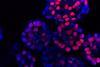
NewsLiver cancer organoids used to screen 1,600 potential treatments
Researchers at the University of Basel have screened more than 1,600 compounds using a biobank of 35 hepatocellular carcinoma organoids, identifying drug combinations that show selective anti-tumour activity across biologically diverse liver cancers.
-
 News
NewsWhole-genome sequencing delivers actionable biomarkers in 73 percent of cancer patients
A large real-world study demonstrates that whole-genome sequencing can identify actionable biomarkers in nearly three-quarters of solid cancer patients.
-
 Article
Why depression needs a different drug discovery strategy
What if depression is not one disease, but many biologically distinct conditions? A major research programme is investigating what this could mean for biomarkers, drug targets and treatment.
-
 News
NewsPatient-derived tumour organoid biobank maps cancer gene dependencies
A biobank of 256 patient-derived tumour organoids, combined with genome-wide CRISPR–Cas9 screening, has produced a detailed map of cancer gene dependencies across five tumour types, revealing both shared vulnerabilities and mutation-specific targets with implications for precision oncology.
-
 News
NewsNew LOX target discovery could help overcome chemotherapy-resistant breast cancer
A preclinical study has identified lysyl oxidase as an intracellular survival factor in triple-negative breast cancer, with researchers demonstrating that sequentially blocking LOX and a compensatory ferroptosis defence pathway significantly suppresses tumour growth without chemotherapy.
-
 News
NewsReview challenges one-size-fits-all approach to OSCC drug delivery
A new review published in the European Journal of Pharmaceutics and Biopharmaceutics argues that no single local drug-delivery formulation will suit every oral squamous cell carcinoma tumour, urging researchers to anchor development in clinical and biological context from the outset.
-
 Report
Building biomarkers that drug developers can rely on
Discover how integrated technologies, multiomic approaches and AI are helping researchers translate complex biological signals into actionable tools for drug development and patient care.
-
 Article
How rare genetic variants could uncover new drug targets
What if extreme levels of common traits have a different genetic basis? New research suggests rare, large-effect variants could help explain the extremes and identify potential drug targets.
-
 Article
How AI-driven systems biology will reset the starting line for drug development
AI is making drug discovery faster, but can it make it more successful? Discover why combining AI with systems biology could help researchers tackle the biological complexity behind drug failure.
-
 Article
600+ patient-derived cancer models expand the search for drug targets
Hundreds of new patient-derived cancer models could strengthen target validation, identify cancer vulnerabilities and provide more representative systems for preclinical drug discovery.
-
 News
NewsIL-17 identified as potential immunotherapy biomarker in ovarian cancer
A new study has identified IL-17 as a potential biomarker for immunotherapy response in a small subset of clear cell ovarian cancer cases, offering a possible route to personalised treatment for a disease historically resistant to immune-based therapies.
-
 Article
Why researchers are revisiting bisantrene decades after it was abandoned
An oncology drug abandoned decades ago is getting a second look, with new research uncovering a mechanism that could offer an alternative route to targeting MYC, one of cancer’s toughest targets.
-
 News
NewsNUS researchers identify molecular switch driving TNBC treatment resistance
Researchers at the National University of Singapore have identified DP103 as a potential molecular master switch sustaining tumour growth, cancer stem cells and treatment resistance in triple-negative breast cancer, with findings suggesting it could serve as a predictive biomarker for the investigational oral therapy RX-5902.
-
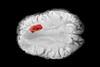 News
NewsPatient-specific brain tumour chip models vascular drug barriers
A microfluidic chip combining patient-derived glioblastoma cells with their tumour vascular environment could give drug developers a more realistic preclinical model for predicting treatment response – and may help explain why genetically similar patients respond differently to the same therapy.
-
 News
NewsAGR2 and FOXM1 identified as prognostic and therapeutic targets in NF-PanNETs
A new study using single-cell RNA sequencing has identified AGR2 as a potential prognostic marker and FOXM1 as a druggable target in non-functional pancreatic neuroendocrine tumours, offering new tools to stratify patients and guide treatment strategies.
-
 News
NewsMulti-target screening refines ADC development for cervical cancer
A large-scale transcriptomic study has pinpointed distinct cell-surface targets for antibody-drug conjugate development across cervical cancer subtypes, revealing how tissue-of-origin comparisons and subpopulation analysis can uncover targets missed by conventional screening approaches.
-
 Article
Reducing drug development failures with human-relevant models and AI
Professor Joseph C. Wu of Stanford University explains how stem cells, human-relevant models and AI are helping researchers predict which drug candidates are most likely to succeed before clinical trials.