



All Translational Science articles
-
 News
NewsBCAT1 enzyme identified as fibrosis target after heart attack
Researchers at Nagoya University have identified BCAT1, an enzyme involved in proline supply for collagen synthesis, as a potential target for reducing cardiac fibrosis following myocardial infarction.
-
 Article
How protective gene variants are revealing new drug targets
Finding the right drug target remains one of discovery’s biggest challenges. Human genetics is helping researchers strengthen the evidence before committing years of research and investment.
-
 Article
Turning CNS biomarkers into better drug development decisions
Why do promising CNS therapies struggle to translate into patients? Three experts explore how biomarkers can track therapeutic effects, improve patient selection and guide development decisions.
-
 News
NewsWhy researchers are targeting Nav1.7 in the search for longer-lasting pain relief
Humanised antibodies targeting the voltage-gated sodium channel Nav1.7 have demonstrated prolonged suppression of neuropathic pain in a rat model.
-
 News
NewsNasal spray delivers amniotic vesicles to combat Alzheimer’s disease
A nasal spray using extracellular vesicles derived from the amniotic membrane has shown promise against Alzheimer’s disease, reducing neuroinflammation, protecting neuronal function and preserving memory in experimental models.
-
 News
NewsWhole-genome sequencing delivers actionable biomarkers in 73 percent of cancer patients
A large real-world study demonstrates that whole-genome sequencing can identify actionable biomarkers in nearly three-quarters of solid cancer patients.
-
 News
NewsNew malaria mutations linked to resistance against multiple front-line drugs
Whole-genome sequencing of parasites from Ugandan patients has uncovered a cluster of genetic variants linked to reduced susceptibility to multiple front-line malaria treatments, with researchers warning the mutations are spreading rapidly.
-
 Article
What makes a human biospecimen fit for purpose in drug discovery
Human biospecimens can bring drug discovery closer to human disease, but their value depends on far more than the sample itself. We explore the factors that determine how much researchers can learn from them.
-
 Article
Why depression needs a different drug discovery strategy
What if depression is not one disease, but many biologically distinct conditions? A major research programme is investigating what this could mean for biomarkers, drug targets and treatment.
-
 News
NewsBlood metabolite links ALS progression rate to potential treatment target
A metabolic signal detectable in patient blood has been linked to ALS progression rate and survival, with preclinical data suggesting that boosting levels of the molecule could protect motor neurons and extend survival in disease models.
-
 News
NewsReview challenges one-size-fits-all approach to OSCC drug delivery
A new review published in the European Journal of Pharmaceutics and Biopharmaceutics argues that no single local drug-delivery formulation will suit every oral squamous cell carcinoma tumour, urging researchers to anchor development in clinical and biological context from the outset.
-
 Report
Building biomarkers that drug developers can rely on
Discover how integrated technologies, multiomic approaches and AI are helping researchers translate complex biological signals into actionable tools for drug development and patient care.
-
 News
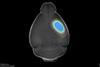
NewsAutomated MRI pipeline standardises preclinical stroke damage measurement
An automated imaging pipeline developed at USC’s Stevens Neuroimaging and Informatics Institute can measure stroke-related brain tissue damage from MRI scans with accuracy matching human experts, offering a scalable, standardised tool for preclinical drug evaluation across multi-site research networks.
-
 News
NewsNanomedicine for glioblastoma: overcoming the blood-brain barrier
A new review published in Chinese Neurosurgical Journal examines how nanoscale drug delivery systems could help overcome one of the most persistent obstacles in glioblastoma treatment – getting therapeutics across the blood–brain barrier and into tumour tissue.
-
 News
NewsTissue chips target immunotherapy toxicity prediction without animal models
Researchers at the University of Rochester have developed human cell-based tissue chips designed to predict serious immunotherapy toxicities, including cytokine release syndrome, and have secured entry into the FDA’s ISTAND pilot programme.
-
 Article
Reducing drug development failures with human-relevant models and AI
Professor Joseph C. Wu of Stanford University explains how stem cells, human-relevant models and AI are helping researchers predict which drug candidates are most likely to succeed before clinical trials.
-
 News
NewsVY1706 Alzheimer’s gene therapy achieves 75 percent tau reduction in preclinical study
Voyager Therapeutics has presented six-month GLP toxicology data for VY1706, its investigational tau-targeting gene therapy, showing durable tau reductions of up to 75 percent and a clean safety profile in non-human primates, as the company prepares to begin first-in-human dosing in the second half of 2026.
-
 News
NewsCrown Bioscience joins C-Path coalition advancing regulatory NAMs acceptance
Crown Bioscience has joined the Critical Path Institute’s New Approach Methodologies Developer Coalition, bringing patient-derived model expertise and biomarker capabilities to efforts aimed at establishing regulatory qualification frameworks for human-relevant research tools.
-
 News
NewsGene therapy restores key features in fragile X syndrome mouse model
Researchers at Cincinnati Children’s have demonstrated that AAV-mediated delivery of the human FMR1 gene can restore FMRP expression and reverse multiple disease-related features in a fragile X syndrome mouse model, offering a promising preclinical foundation for future clinical trials.
-
 Interview
The global push to reduce animal testing in drug development
Non-animal methods are already used throughout early drug discovery, yet animal testing continues to dominate regulatory safety assessment. Recent initiatives suggest change is coming, but significant scientific and practical challenges remain.