



All Drug Targets articles – Page 2
-
 News
NewsBacterial enzyme found to weaken gut protective hormone signal
A bacterial enzyme produced by Bacteroides vulgatus has been shown to inactivate the intestinal hormone GLP-2, disrupting gut barrier function and aggravating colitis in a preclinical model — with a natural product inhibitor identified as a potential intervention.
-
 News
NewsSalk researchers uncover how interferons switch from anti- to pro-cancer
Researchers at the Salk Institute have identified a cellular pathway through which prolonged interferon exposure triggers mitochondrial dysfunction, PGE2 production and suppression of anti-tumour immunity – offering a potential strategy for overcoming immunotherapy resistance.
-
 News
NewsSolute carrier transporters open new frontier in neurological drug discovery
A comprehensive review of solute carrier transporters argues that the 464-strong SLC protein family represents a largely unexplored opportunity for developing treatments across a range of neurological and psychiatric conditions, from epilepsy and autism to Alzheimer’s disease.
-
 News
NewsOutSee secures £50k innovate UK grant for AI target validation
UK genomics and drug discovery company OutSee has received £50,000 in Innovate UK funding to develop an agentic AI sub-system designed to automate the initial triage of drug targets identified by its Nomaly genomics engine.
-
 News
NewsWhy cancer drug CADD522 could offer a new route to treating osteoporosis
A compound originally designed to block a cancer-associated protein has demonstrated unexpected benefits for bone health and metabolism in post-menopausal mice, suggesting a potential new mechanism for osteoporosis drug discovery.
-
 Article
What makes a human biospecimen fit for purpose in drug discovery
Human biospecimens can bring drug discovery closer to human disease, but their value depends on far more than the sample itself. We explore the factors that determine how much researchers can learn from them.
-
 Article
Why depression needs a different drug discovery strategy
What if depression is not one disease, but many biologically distinct conditions? A major research programme is investigating what this could mean for biomarkers, drug targets and treatment.
-
 News
NewsPatient-derived tumour organoid biobank maps cancer gene dependencies
A biobank of 256 patient-derived tumour organoids, combined with genome-wide CRISPR–Cas9 screening, has produced a detailed map of cancer gene dependencies across five tumour types, revealing both shared vulnerabilities and mutation-specific targets with implications for precision oncology.
-
 News
NewsNew LOX target discovery could help overcome chemotherapy-resistant breast cancer
A preclinical study has identified lysyl oxidase as an intracellular survival factor in triple-negative breast cancer, with researchers demonstrating that sequentially blocking LOX and a compensatory ferroptosis defence pathway significantly suppresses tumour growth without chemotherapy.
-
 Webinar
From antibody discovery to development: long-read sequencing in practice
As sequencing continues to grow in importance across biotherapeutic discovery and development, where can it make the biggest impact and how can fragmented workflows be overcome?
-
 News
NewsPeptide vaccine targeting PCSK9 reduces cholesterol and atherosclerotic plaque in mice
A structure-guided peptide vaccine targeting PCSK9 has reduced LDL cholesterol and atherosclerotic plaque burden in mouse models, offering a potential longer-lasting alternative to existing PCSK9-targeting biologics, though primate results remain inconclusive.
-
 Article
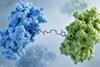
PROTACs vs molecular glues: which degrader fits your target?
PROTACs and molecular glues can both remove disease-associated proteins, but choosing between them is not simple. Our new Discovery Toolkit compares the options to help discovery teams choose the right strategy.
-
 Webinar
What it really takes to turn cancer discoveries into new therapies
Five leading cancer researchers from across genomics, proteomics, cell biology, chemical biology and gene therapy dig into what’s driving cancer drug discovery forward and what’s still holding progress back.
-
 News
NewsBRAF identified as novel target for neuropathic pain treatment
Researchers at MD Anderson Cancer Center have discovered that BRAF, a protein well known for its role in cancer, may also drive chronic pain following nerve injury – raising the prospect of repurposing approved cancer drugs as treatments for neuropathic pain.
-
 Article
How rare genetic variants could uncover new drug targets
What if extreme levels of common traits have a different genetic basis? New research suggests rare, large-effect variants could help explain the extremes and identify potential drug targets.
-
 News
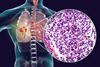
NewsHER3-DXd and olaparib combination boosts lung cancer treatment responses
A new preclinical study finds that combining the antibody-drug conjugate HER3-DXd with PARP inhibitor olaparib significantly improves treatment responses in NSCLC models, including those harbouring EGFR and KRAS mutations, by overwhelming DNA repair capacity and activating innate immune signalling.
-
 News
NewsFirst-in-class drug targets ‘undruggable’ MYC in blood cancers
A first-in-class experimental drug has demonstrated preclinical activity against treatment-resistant blood cancers by exploiting a newly identified vulnerability between MYC and GSPT1, offering a potential route to one of oncology’s most elusive targets.
-
 Article
How AI-driven systems biology will reset the starting line for drug development
AI is making drug discovery faster, but can it make it more successful? Discover why combining AI with systems biology could help researchers tackle the biological complexity behind drug failure.
-
 Article
600+ patient-derived cancer models expand the search for drug targets
Hundreds of new patient-derived cancer models could strengthen target validation, identify cancer vulnerabilities and provide more representative systems for preclinical drug discovery.
-
 Article
Why researchers are revisiting bisantrene decades after it was abandoned
An oncology drug abandoned decades ago is getting a second look, with new research uncovering a mechanism that could offer an alternative route to targeting MYC, one of cancer’s toughest targets.