



All Neurological disorders articles
-
 Article
Turning CNS biomarkers into better drug development decisions
Why do promising CNS therapies struggle to translate into patients? Three experts explore how biomarkers can track therapeutic effects, improve patient selection and guide development decisions.
-
 News
NewsWhy researchers are targeting Nav1.7 in the search for longer-lasting pain relief
Humanised antibodies targeting the voltage-gated sodium channel Nav1.7 have demonstrated prolonged suppression of neuropathic pain in a rat model.
-
 News
NewsMicroproteins emerge as potential new Alzheimer’s targets
Scientists at the Salk Institute have constructed a comprehensive atlas of previously uncharacterised microproteins in the human frontal cortex, identifying over 1,000 novel candidates.
-
 News
NewsNasal spray delivers amniotic vesicles to combat Alzheimer’s disease
A nasal spray using extracellular vesicles derived from the amniotic membrane has shown promise against Alzheimer’s disease, reducing neuroinflammation, protecting neuronal function and preserving memory in experimental models.
-
 News
NewsSolute carrier transporters open new frontier in neurological drug discovery
A comprehensive review of solute carrier transporters argues that the 464-strong SLC protein family represents a largely unexplored opportunity for developing treatments across a range of neurological and psychiatric conditions, from epilepsy and autism to Alzheimer’s disease.
-
 News
NewsOutSee secures £50k innovate UK grant for AI target validation
UK genomics and drug discovery company OutSee has received £50,000 in Innovate UK funding to develop an agentic AI sub-system designed to automate the initial triage of drug targets identified by its Nomaly genomics engine.
-
 Article
Why depression needs a different drug discovery strategy
What if depression is not one disease, but many biologically distinct conditions? A major research programme is investigating what this could mean for biomarkers, drug targets and treatment.
-
 News
NewsBlood metabolite links ALS progression rate to potential treatment target
A metabolic signal detectable in patient blood has been linked to ALS progression rate and survival, with preclinical data suggesting that boosting levels of the molecule could protect motor neurons and extend survival in disease models.
-
 News
NewsBRAF identified as novel target for neuropathic pain treatment
Researchers at MD Anderson Cancer Center have discovered that BRAF, a protein well known for its role in cancer, may also drive chronic pain following nerve injury – raising the prospect of repurposing approved cancer drugs as treatments for neuropathic pain.
-
 News
NewsPatient-specific brain tumour chip models vascular drug barriers
A microfluidic chip combining patient-derived glioblastoma cells with their tumour vascular environment could give drug developers a more realistic preclinical model for predicting treatment response – and may help explain why genetically similar patients respond differently to the same therapy.
-
 News
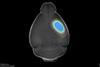
NewsAutomated MRI pipeline standardises preclinical stroke damage measurement
An automated imaging pipeline developed at USC’s Stevens Neuroimaging and Informatics Institute can measure stroke-related brain tissue damage from MRI scans with accuracy matching human experts, offering a scalable, standardised tool for preclinical drug evaluation across multi-site research networks.
-
 News
NewsMeis2 gene identified as potential therapeutic target for neurodevelopmental disorders
A gene therapy targeting parvalbumin inhibitory neurons has restored experience-dependent plasticity and reduced seizure frequency in a mouse model of neurodevelopmental disorders, offering a potential new avenue for treating autism spectrum disorder and epilepsy.
-
 News
NewsNanomedicine for glioblastoma: overcoming the blood-brain barrier
A new review published in Chinese Neurosurgical Journal examines how nanoscale drug delivery systems could help overcome one of the most persistent obstacles in glioblastoma treatment – getting therapeutics across the blood–brain barrier and into tumour tissue.
-
 News
NewsVY1706 Alzheimer’s gene therapy achieves 75 percent tau reduction in preclinical study
Voyager Therapeutics has presented six-month GLP toxicology data for VY1706, its investigational tau-targeting gene therapy, showing durable tau reductions of up to 75 percent and a clean safety profile in non-human primates, as the company prepares to begin first-in-human dosing in the second half of 2026.
-
 News
NewsGlymphatic gene therapy platform targets brain’s glial cells precisely
A new gene therapy platform exploiting the brain’s glymphatic transport system and engineered AAV5 vectors could offer a targeted treatment route for multiple sclerosis, Huntington’s disease and rare white matter disorders.
-
 Article
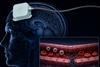
Why the blood–brain barrier blocks most drugs – and how ultrasound could help
The blood–brain barrier protects the brain from harmful substances, but it also prevents many medicines from reaching their target. Researchers are investigating whether focused ultrasound could safely improve drug delivery.
-
 News
NewsBlood test for protein misfolding identifies Alzheimer’s risk years before symptoms
A blood-based biomarker measuring amyloid beta protein misfolding has demonstrated superior predictive accuracy for pre-symptomatic Alzheimer’s disease compared with p-tau 217, achieving an AUC of 0.87 when combined with genetic and demographic data.
-
 News
NewsLandmark fibromyalgia study highlights neurological targets for new therapies
A landmark genome-wide study of more than 2.5 million adults has identified 26 genomic regions linked to fibromyalgia, confirming a neurological basis for the condition and opening new avenues for targeted drug discovery.
-
 News
News3D genome reorganisation identified as Alzheimer’s disease molecular hallmark
An international study combining single-cell genomics, spatial transcriptomics and artificial intelligence has identified large-scale changes in three-dimensional genome organisation in Alzheimer’s-affected brain cells, establishing chromatin architecture as a previously overlooked component of the disease’s molecular pathology and a potential framework for future therapeutic targeting.
-
 News
NewsInsilico Medicine nominates ISM9528 non-opioid chronic pain candidate using AI
Insilico Medicine has nominated ISM9528, an orally available, brain-penetrant non-opioid candidate targeting a previously unrecognised pain mechanism, as its 31st AI-generated preclinical compound since 2021, with efficacy exceeding morphine in some preclinical models.