

Improved AAV could cross blood-brain barrier and deliver gene therapies to CNS
Posted: 11 October 2022 | Victoria Rees (Drug Target Review) | No comments yet
A newly developed AAV has shown promise at delivering gene therapies to the brain in mice and non-human primates.
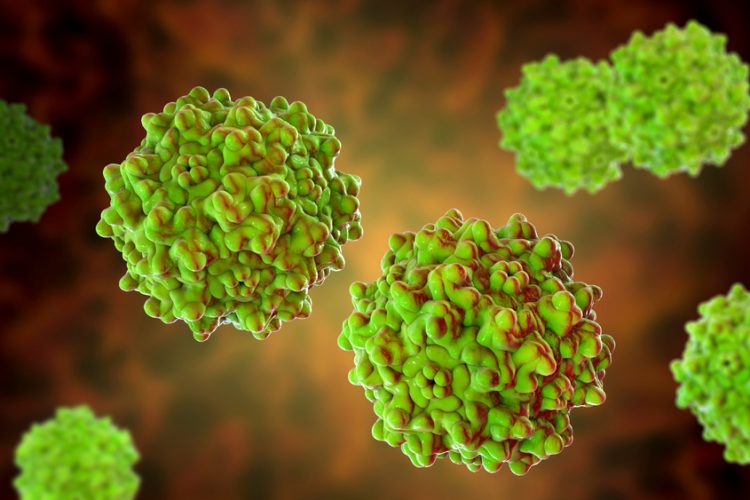
Researchers have developed a new adeno-associated virus (AAV) for delivering gene therapies that can cross the blood-brain barrier (BBB). According to the investigators from Brigham and Women’s Hospital, US, most of the time, AAVs are inefficient at carrying gene therapies across the BBB, which is formed of cells wedged tightly together, keeping toxins and pathogens that may be present in the blood from entering brain tissue, but also keeping out potential treatment for diseases that affect the central nervous system (CNS).
In a paper published in Nature Biomedical Engineering, the research team reports on a new AAV variant tested in pre-clinical models that is significantly more efficient than previously developed delivery vehicles. The scientists say this AAV has the potential to deliver drugs to treat brain cancers such as glioblastoma and genetic diseases that affect the CNS.
“Our study is exciting because it shows that we are one step closer to being able to deliver gene therapy across the BBB in humans,” said Dr Fengfeng Bei, one of the researchers. “Our findings demonstrate that AAVs could provide a valuable tool for developing systemic gene therapies against glioblastoma and other diseases where CNS delivery is required.”
Recent advancements have led to the discovery of a new generation of AAVs that can penetrate the BBB in mouse models, but most AAVs identified to date are not efficient enough to be considered for use in clinical settings. To improve upon existing AAVs, the team from the new study turned to cell-penetrating peptides — a group of short peptides that are known to be able to cross biological membranes like the BBB. The team collected about 100 of these peptides and inserted them into a variety of AAVs and tested them one by one to look for the most efficient.
“We got lucky,” said Bei. “We got a hit right around number 16.”
The team tested out their finding in pre-clinical models, looking in both mice and non-human primates. While the AAV they identified — AAV.CPP.16 — showed a significant enhancement of delivery efficiency across the blood brain barrier than previously tested AAVs, Bei’s lab is looking to make further improvements.
“We would like to develop a version that is even more efficient and more restricted to the CNS. Our studies to date tell us we are headed in the right direction,” he said.
The team say that these data suggest the novel vector could be used to treat genetic diseases in which turning on protein production in a specified number of cells could reverse a disease.
Related topics
Central Nervous System (CNS), Drug Delivery, Gene Therapy, Genomics, Precision Medicine, Translational Science
Related conditions
Glioblastoma
Related organisations
Brigham and Women's Hospital
Related people
Dr Fengfeng Bei