

FDA accepts IND application for Clarametyx antibody therapy CMTX-101
Posted: 12 October 2022 | Victoria Rees (Drug Target Review) | No comments yet
Clarametyx says the FDA has accepted an IND application for first-in-human trials of CMTX-101, an antibody to treat bacterial pneumonia.
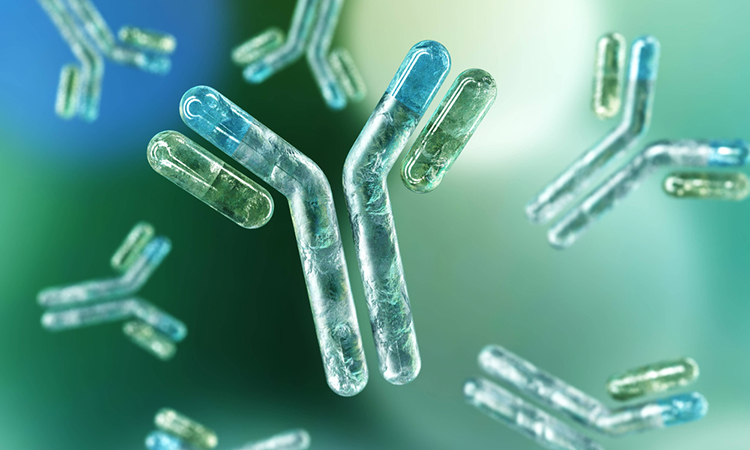
Clarametyx Biosciences has announced that the US Food and Drug Administration (FDA) has accepted the company’s Investigational New Drug (IND) application to initiate a first-in-human Phase I safety study followed by a Phase Ib trial of CMTX-101, a novel immune-enabling antibody therapy to treat individuals hospitalised with community-acquired bacterial pneumonia.
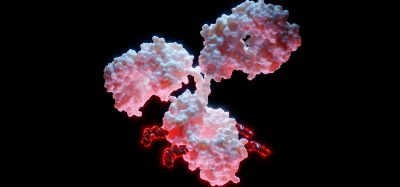
Following a brief Phase I safety evaluation in healthy volunteers, the Phase Ib trial will aim to provide important safety as well as exploratory efficacy data. CMTX-101 is an immune-enabling antibody therapy designed to precisely and rapidly destroy the universal underlying structure of bacterial biofilms to undermine extracellular bacterial defences and enable more effective antibiotic and immune intervention. As the target is universally present across bacteria, the technology can be employed to treat a range of bacterial infections, many of which are characterised by the presence of multiple types of bacteria. CMTX-101 is intended to be administered concomitantly with a wide range of standard-of-care antibiotics that target both Gram-negative and Gram-positive bacteria. The goal of treatment is to dramatically improve the effectiveness of antibiotic therapies and patient innate immune system effectors from the onset of CMTX-101 administration, improving the time to resolution of the infection and reducing the need for repeated courses of antibiotics.
“We have made tremendous progress with the early development of this potentially game-changing technology to specifically address bacterial biofilms, which is a major driver of resistance in bacterial infections,” said David Richards, Chief Executive Officer of Clarametyx. “With IND acceptance, we are now advancing as a clinical-stage company and can accelerate our efforts to identify the optimal application of this technology to enhance antibiotic approaches, with the potential for significant impact in treating severe bacterial infections and improving health outcomes.”
Automation now plays a central role in discovery. From self-driving laboratories to real-time bioprocessing
This report explores how data-driven systems improve reproducibility, speed decisions and make scale achievable across research and development.
Inside the report:
- Advance discovery through miniaturised, high-throughput and animal-free systems
- Integrate AI, robotics and analytics to speed decision-making
- Streamline cell therapy and bioprocess QC for scale and compliance
- And more!
This report unlocks perspectives that show how automation is changing the scale and quality of discovery. The result is faster insight, stronger data and better science – access your free copy today
According to the US National Institutes of Health, bacterial biofilms are responsible for approximately 80 percent of human bacterial infections, including bacterial pneumonia, cystic fibrosis-related bacterial infection, chronic obstructive pulmonary disease (COPD)-related respiratory infections, chronic sinusitis and otitis media and chronic wound-related infections. Collectively, these infections contribute substantial costs to the healthcare system due to significantly increased hospitalisation rates and lengths of stay, as well as increased morbidity and mortality.
Related topics
Antibodies, Clinical Trials, Drug Development, Legal & Compliance, Therapeutics, Translational Science
Related conditions
Bacterial Pneumonia, Chronic obstructive pulmonary disease (COPD), Chronic sinusitis, Cystic fibrosis, pneumonia
Related organisations
Clarametyx Biosciences, US Food and Drug Administration (FDA)
Related people
David Richards