


Short peptides discovery could lead to new treatments for Alzheimer’s
Posted: 18 September 2019 | Rachael Harper (Drug Target Review) | No comments yet
The memory of mice with Alzheimer’s greatly improved after they were injected with two newly discovered short peptides.
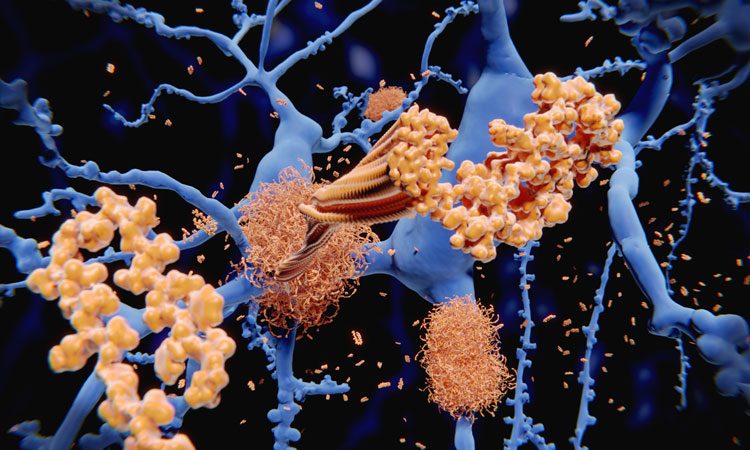
Researchers have found two short peptides that when injected into mouse models with Alzheimer’s disease daily for five weeks, significantly improved the mice’s memory. The treatment also reduced some of the harmful physical changes in the brain that are associated with the disease.
“In the mice that received the drugs, we found less amyloid plaque buildup and a reduction in brain inflammation,” said University of Alberta, US Distinguished University Professor and neurologist Jack Jhamandas.
Not only was memory being improved in the mice, but signs of brain pathology in Alzheimer’s disease were also greatly improved. That was a bit of a surprise for us.”
This discovery builds on previous findings of a compound called AC253 that can block the toxic effects of a protein called amyloid beta, which is believed to be a major contributor to Alzheimer’s. AC253 blocks amyloid beta from attaching to certain receptors in brain cells.
However treatment using AC253 requires large amounts of the compound to be effective. Transforming AC253 from an injectable drug into a pill would address metabolism issues and increase efficacy, but AC253 was too complex to be able to make an effective oral drug.
The researchers’ solution was to cut AC253 into pieces to see whether they could create smaller peptide strings that blocked amyloid beta in the same way AC253 did. Through a series of tests using mice genetically modified to carry Alzheimer’s disease, the team found two shorter pieces of AC253 that replicated the preventative and restorative abilities of the larger peptide.
With the short peptides identified, the researchers used a process of computer modelling and artificial intelligence (AI) to discover a small-molecule drug that they are now developing.
The team is focused on manufacturing an optimised and oral version of the drug so human clinical trials can begin, said Jhamandas.
The study was published in Scientific Reports.
Related topics
Analysis, Artificial Intelligence, Clinical Trials, Disease Research, Drug Delivery, Drug Discovery, Informatics, Peptide Therapeutics, Research & Development, Small molecule
Related conditions
Alzheimer’s disease
Related organisations
University of Alberta
Related people
Jack Jhamandas