

news
Screening 10,000 compounds identifies six potential COVID-19 therapeutics
High-throughput screening of thousands of compounds has revealed several candidates, including lead compound ebselen, with the potential for treating COVID-19.
List view / Grid view
High-throughput screening of thousands of compounds has revealed several candidates, including lead compound ebselen, with the potential for treating COVID-19.
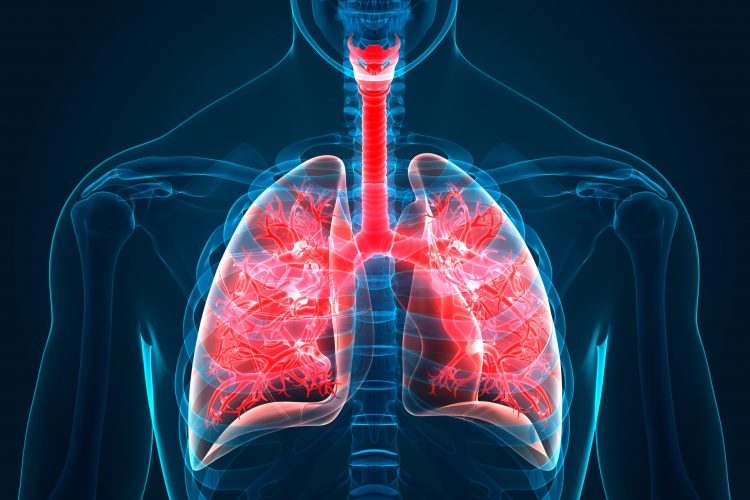
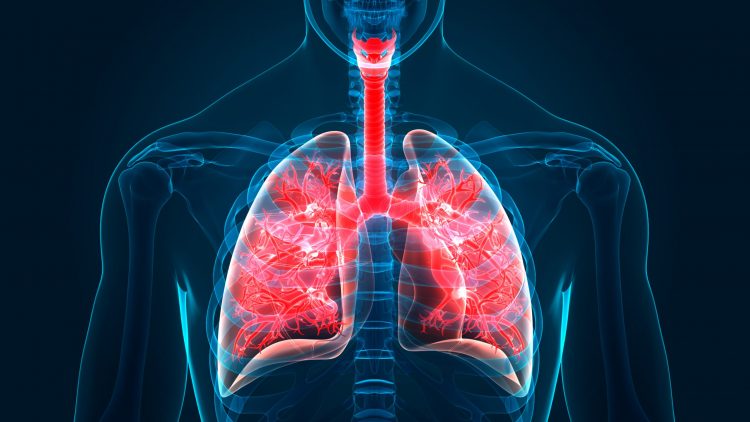
The developers of the lung epithelium model plan to investigate whether SARS-CoV-2 can infect and replicate in the model to assess whether it could be used in the fight against COVID-19.
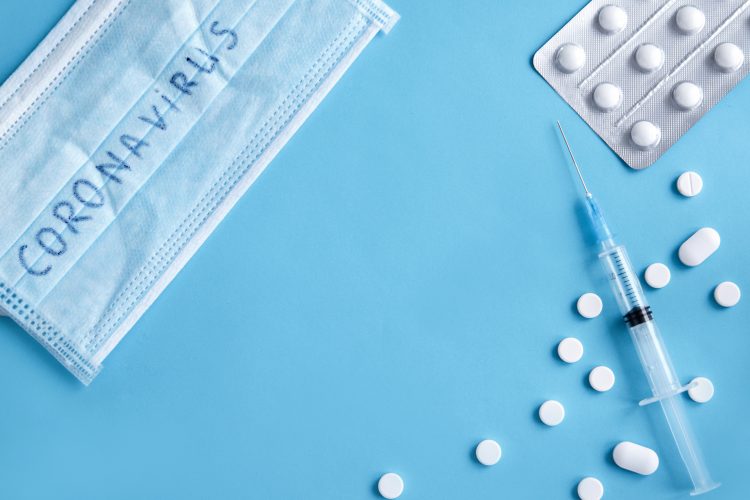
Researchers have demonstrated that Nafamostat mesylate (Fusan) can inhibit SARS-CoV-2 Spike protein-initiated membrane fusion at concentrations likely achievable and safe in patients.
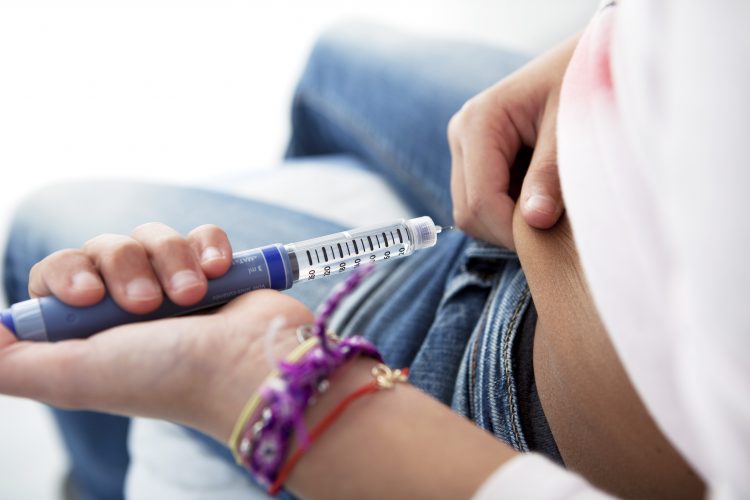
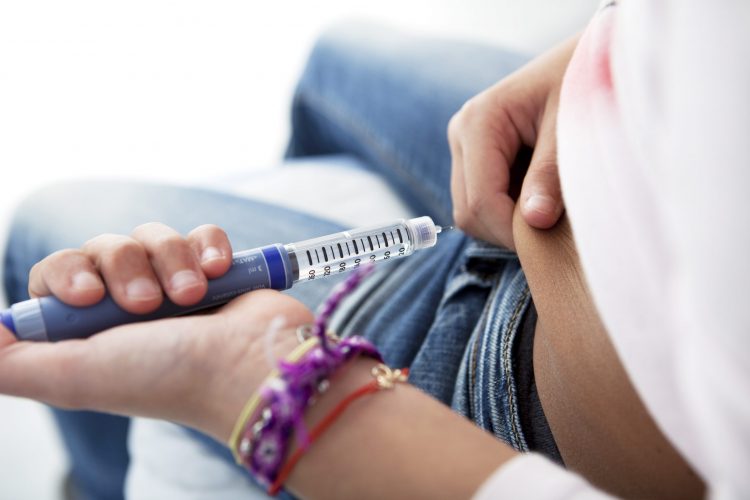
Researchers observed that deleting the IRE1-alpha gene caused beta cells to de-differentiate and then re-differentiate in mice, preventing immune system auto-activation.
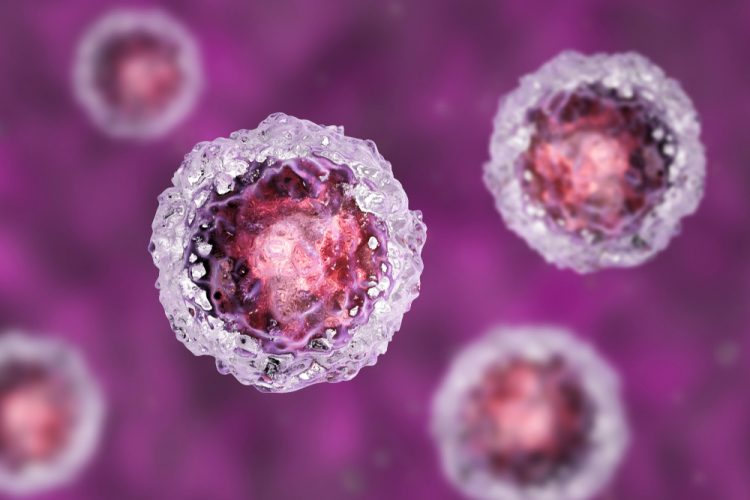
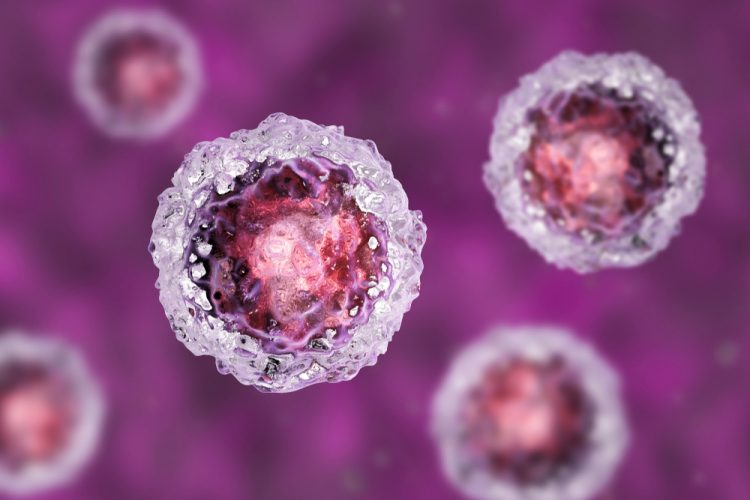
Exposing umbilical cord blood to NOV proteins causes an increase in functional haematopoietic stem cells (HSCs) and could provide a more effective transplant option for blood cancer patients.
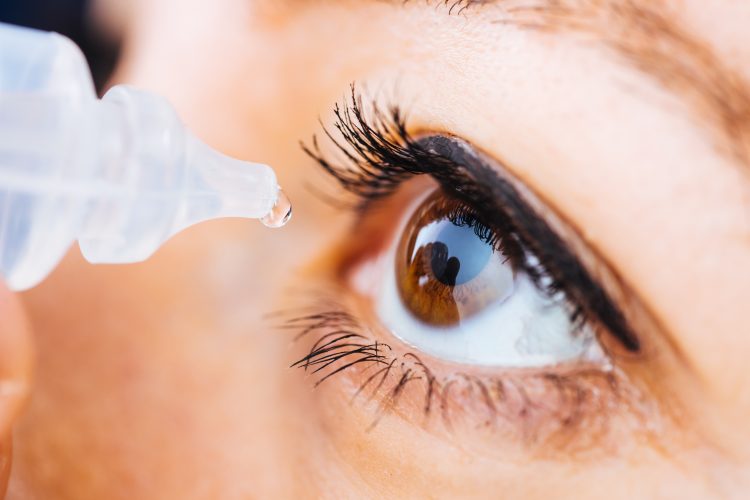
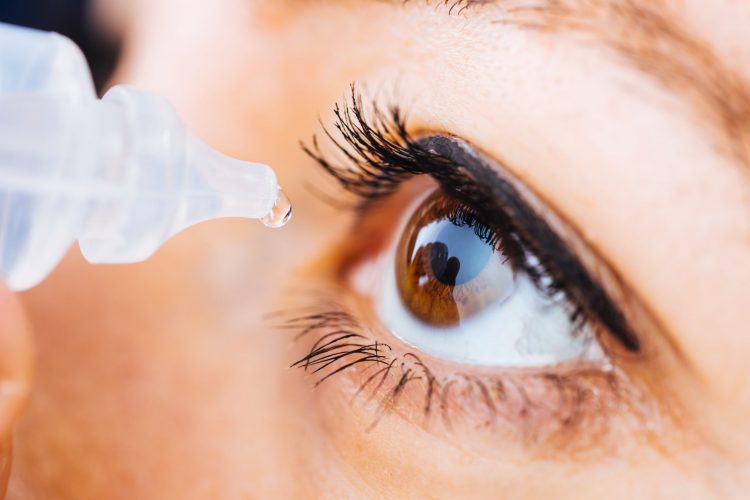
Researchers have developed a device which mimics how blinking and tear movement effect the cornea for use in testing ophthalmic drugs and ocular research.
The researchers hope their study into how cellular heterogeneity changes as the skin heals wounds will allow further research into pathological conditions that cause poor wound healing.
Drug Target Review explores the findings of a recent review of molecular, cellular, multi-cellular and tissue engineering and modelling technologies for drug design.
Researchers combined cisplatin, an enhancer and a photodynamic therapy (PDT) drug into a single conjugate that had 10 times the efficacy in treating treatment resistant cancer cells.
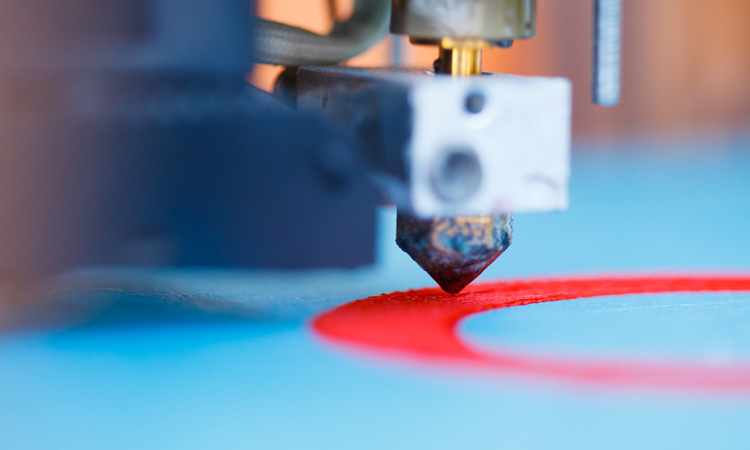
Using modified hyaluronic acid and polyethylene glycol, researchers have created a bio-ink for 3D printing, which could be used as a scaffold to grow human tissues.
A Frost & Sullivan award has been given to a new label-free single-cell analysis and sorting platform for utilising cutting-edge technologies.
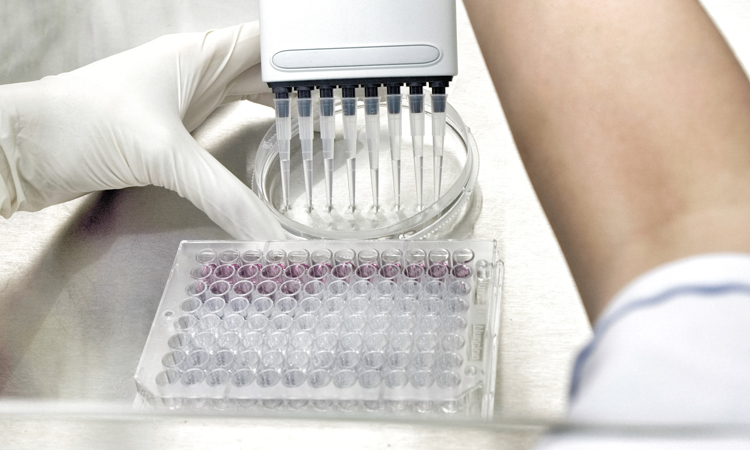
Researchers have screened thousands of existing drug molecules against cancer cell lines to discover almost 50 compounds that combat the condition.
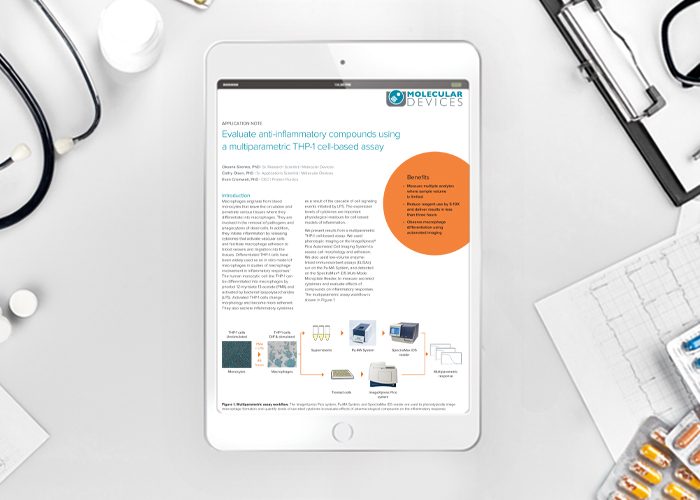
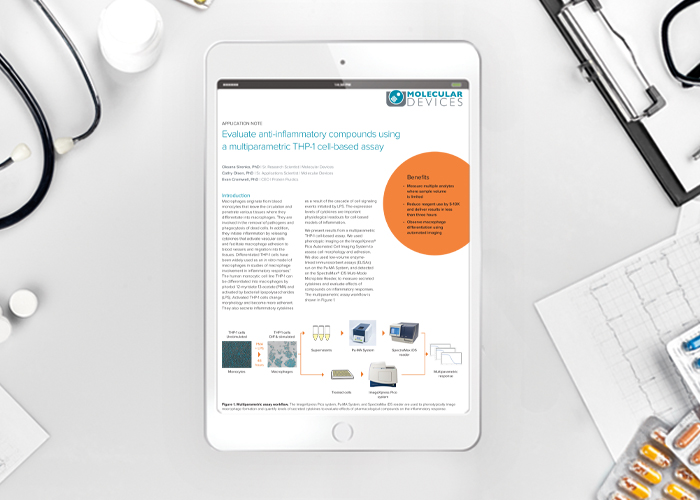
Macrophages originate from blood monocytes that leave the circulation and penetrate various tissues where they differentiate into macrophages. They are involved in the removal of pathogens and phagocytosis of dead cells. In addition, they initiate inflammation by releasing cytokines that activate vascular cells and facilitate macrophage adhesion to blood vessels…
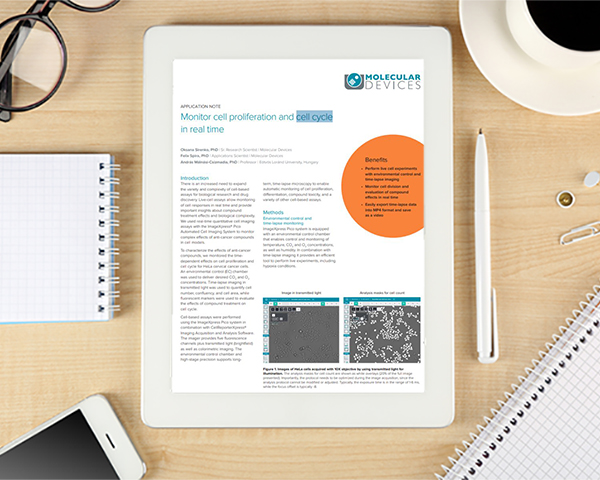
There is an increasing need to expand the variety and complexity of cell-based assays for biological research and drug discovery.
Over the past 30 years, one strategy the pharmaceutical industry has adopted in the drug discovery process has been to “fail early, fail often”.1,2 As most molecules in the early stages of drug discovery will have sub-optimal characteristics, significant modification is necessary to improve their properties.
