
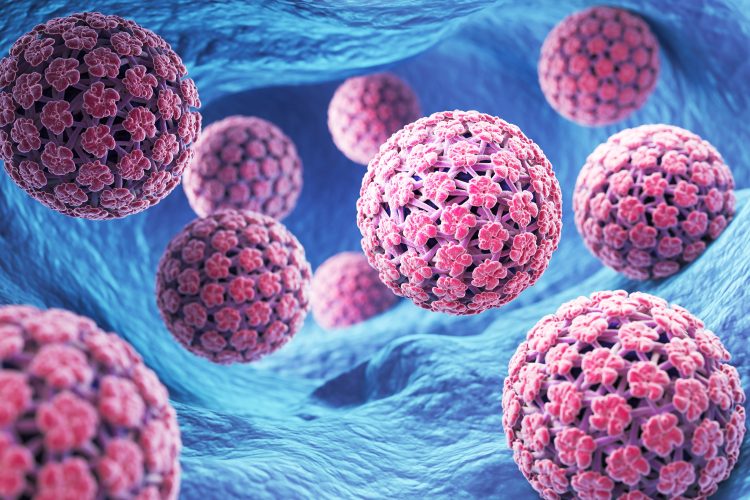
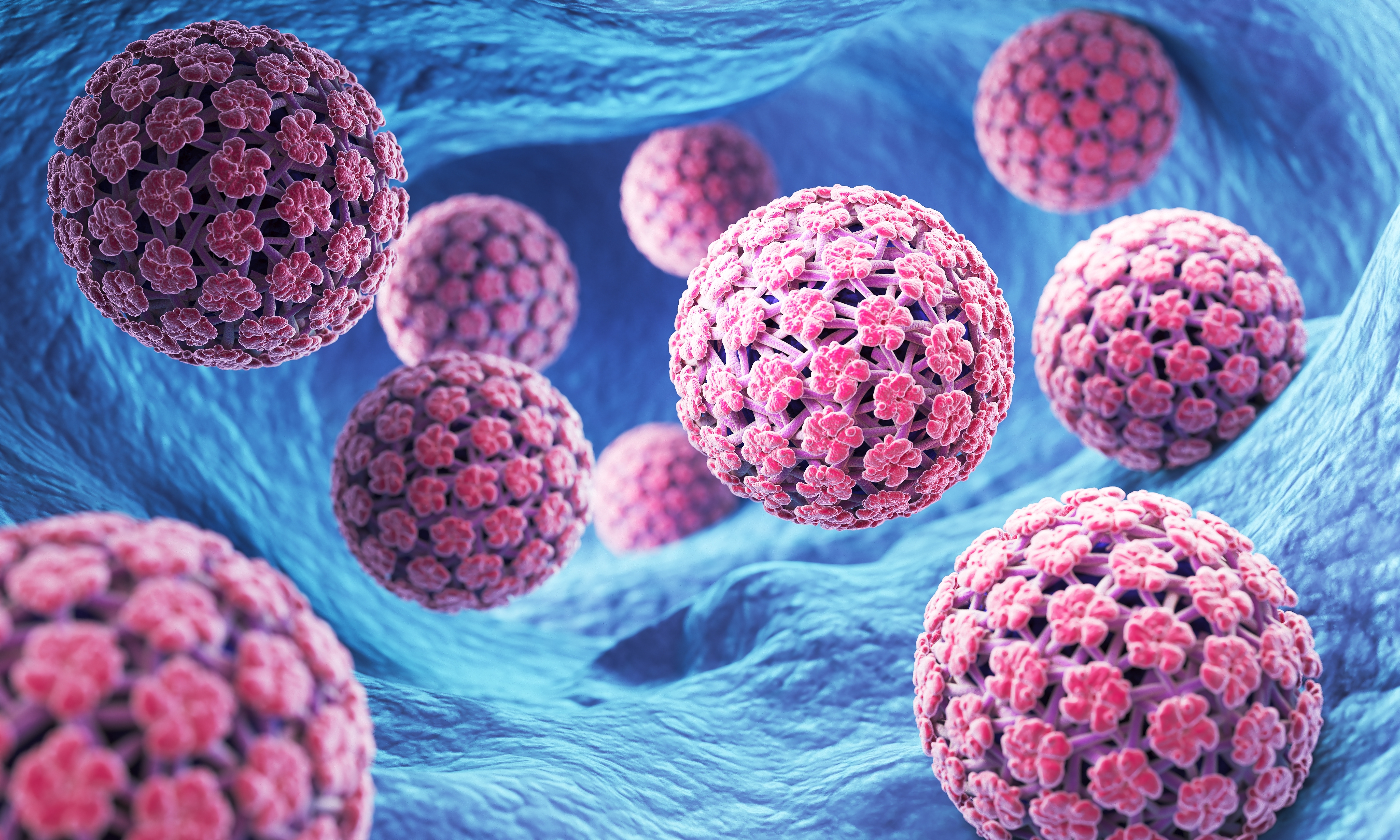
Why first-void urine could potentially change the future of HPV screening
From richer biomarker content to patient-friendly sampling, first-void urine is emerging as a promising tool in precision health. Here is why scientists are paying attention.
List view / Grid view
From richer biomarker content to patient-friendly sampling, first-void urine is emerging as a promising tool in precision health. Here is why scientists are paying attention.
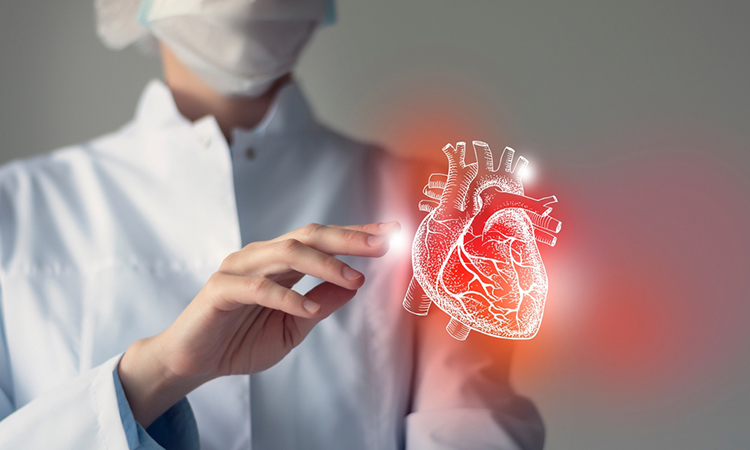
This article highlights a new approach to address human genetics, using STING-seq which provides roadmap to identify variants and genes, enabling deeper understanding of the noncoding genome and targets for therapies
This article outlines the development of the first cardiac implant made from graphene, which is thinner than a single strand of hair yet still functions like a classical pacemaker. It melds softly to the heart to simultaneously sense and treat irregular heartbeats, making it ideal for conforming to soft, dynamic…
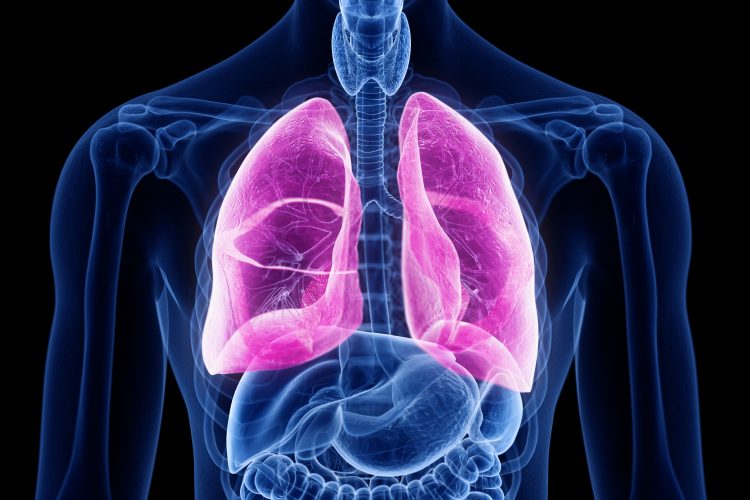
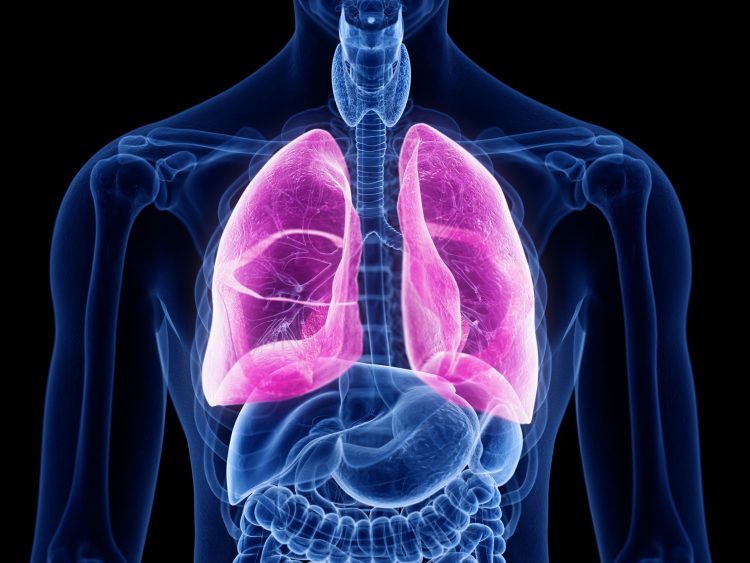
This article outlines the development of a new type of nanoparticle that can perform gene-editing in the lungs. Scientists from MIT and the University of Massachusetts Medical School have collaborated to create this Ribonucleic acid (RNA) delivery particles, which have the potential to revolutionise the treatment of lung diseases such…
Get ready to dive into the cutting-edge world of hit-to-lead drug discovery. Look no further than our latest FREE ebook, which explores label-free HTL technologies. Featuring the latest research from leading academics and pharmaceutical companies, including GlaxoSmithKline, Rosalind Franklin Institute and Francis Crick Institute.
With advancements in artificial intelligence, precision medicine and gene editing, the field of drug discovery is undergoing a rapid transformation. In this article, Drug Target Review’s Izzy Wood gets the insider knowledge from industry leaders at SLAS 2023, who are experiencing these changes first hand.
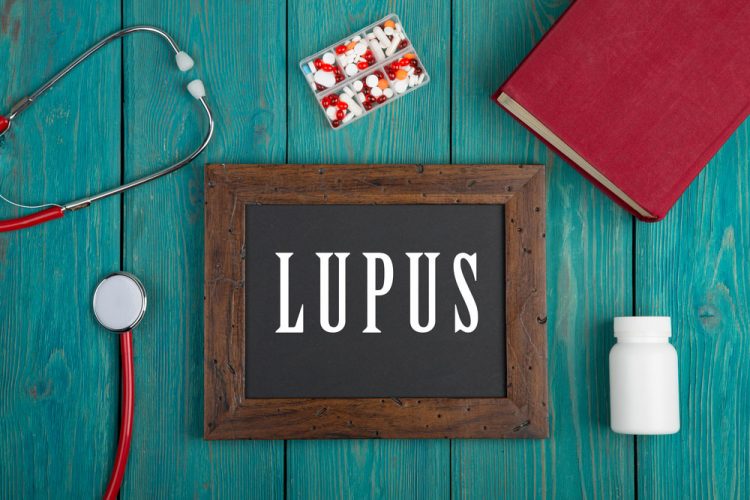
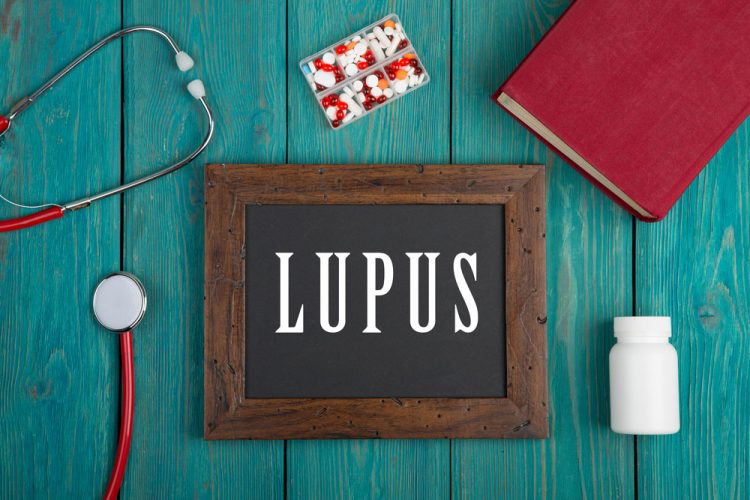
Researchers from the University of Pittsburgh have found that age-associated B cells (ABCs) are key drivers of lupus, a chronic autoimmune disorder that attacks the patient's own organs.
This article outlines new research from the University of Pennsylvania, concerning Yersinia pseudotuberculosis, a relative of the bacterial pathogen that causes plague by triggering the body’s immune system to form lesions in the intestines.
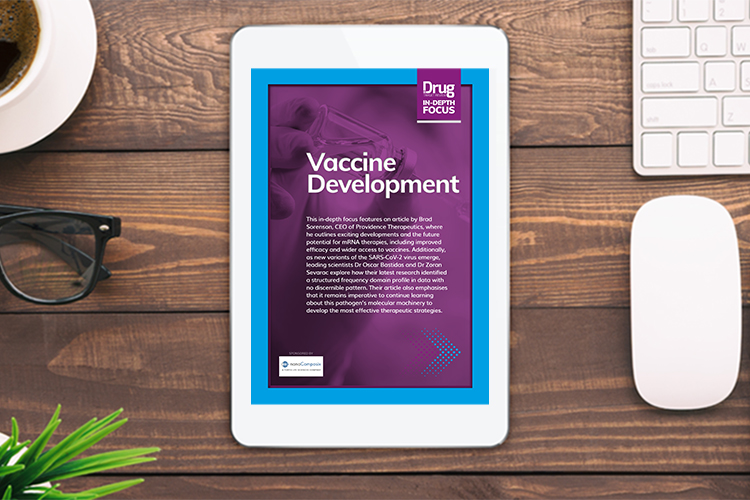
As new variants of the SARS-CoV-2 virus emerge, leading scientists Dr Oscar Bastidas and Dr Zoran Sevarac explore how their latest research identified a structured frequency domain profile in data with no discernible pattern. Their article also emphasises that it remains imperative to continue learning about this pathogen’s molecular machinery…
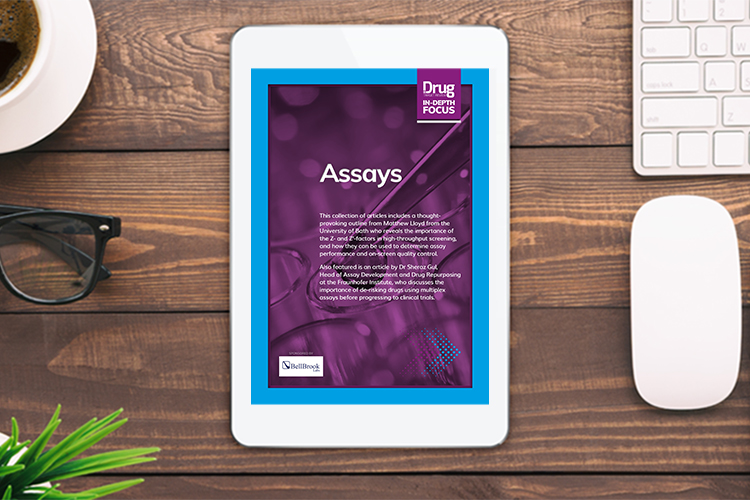
Matthew Lloyd from the University of Bath reveals the importance of the Z-factor and Z’-factor in high-throughput screening, and how they can be used to determine assay performance, perform quality control on the screen, and identify active compounds.
Brad Sorenson, CEO of Providence Therapeutics, shares the future developments and exciting potential of mRNA therapies, including improved efficacy and wider access to vaccines, and future promise for cancer treatment.
Sheraz Gul, Head of Assay Development and Drug Repurposing at the Fraunhofer Institute, discusses the importance of performing comprehensive multiplex spatial and temporal profiling of drugs in pre-clinical research to decrease the risk of potentially undesirable events in later clinical studies.
In this article, Drug Target Review's Ria Kakkad and Izzy Wood explore the results of the latest research on lab automation techniques and technologies designed to accelerate drug discovery.
Download your FREE ebook on assays, featuring articles from experts who write about developments in screening and the importance of performing comprehensive multiplex spatial and temporal profiling of drugs in pre-clinical research.
In this ebook are articles on the future potential for mRNA therapies and combatting new variants of the SARS-CoV-2.
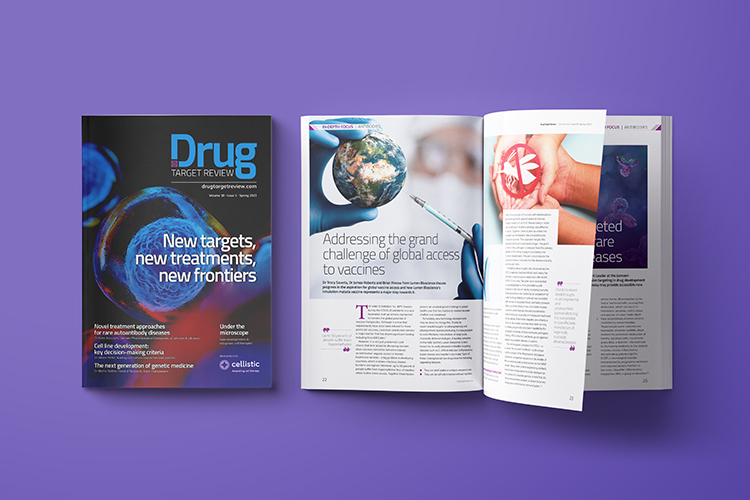
A new Drug Target Review is now ready to download! This issue features articles which explore antibodies, vaccines and assays.