

Novel compound could treat type 2 diabetes without common side effects
Posted: 24 June 2020 | Victoria Rees (Drug Target Review) | No comments yet
Two molecules combined into a new substance to treat type 2 diabetes lowered blood sugar in shrew models without causing nausea, vomiting and weight loss.
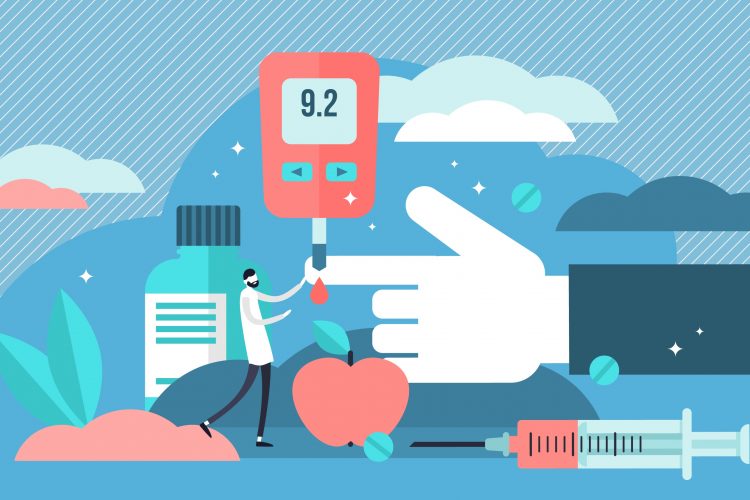
A new drug lead to treat type 2 diabetes without the common side effects of other drugs has been developed. Syracuse University, US, chemistry professor Dr Robert Doyle and collaborators combined two molecules into a new substance that lowers blood sugar without causing feelings of nausea, vomiting and undesired weight loss.
The team developed a novel method of bioconjugation, a chemical technique used to join two molecules together. By binding exendin-4 (Ex4), a US Food and Drug Administration (FDA)-approved glucagon-like peptide-1 receptor (GLP-1R) agonist, to dicyanocobinamide (Cbi), which is a small piece of the complex vitamin B12 molecule, the researchers produced Cbi-Ex4 in a technique they call ‘corrination’.
Data collected from testing Cbi-Ex4 in the musk shrew (Suncus murinus) revealed beneficial effects as evidenced by improved blood sugar levels during glucose tolerance tests and a profound reduction in vomiting compared to Ex4 alone. Importantly, no weight loss was noted, again in stark contrast to the currently approved GLP-1R agonist, making this new drug ideal for patients who require glucoregulation without affecting their body mass index (BMI) levels.
The team say this drug could therefore benefit diabetic patients who also live with cystic fibrosis, chronic obstructive pulmonary disease (COPD), sarcopenia, cancer or HIV, where weight-loss is counter-indicated.
The next step in the development of this groundbreaking drug is to move it through the pre-clinical phase into Phase I human studies. Doyle and his team have submitted a new grant proposal to the US National Institutes of Health (NIH) to fund this effort.
“There’s no treatment out there now that can keep weight off for a long period of time without illness behaviours such as nausea,” Doyle said. “So, my group is pushing to expand on GLP-1R agonists to treat diabetes with obesity and… to treat diabetes without affecting nutritional status.”
The article is published in Cell Reports.
Related topics
Drug Discovery, Drug Leads, Drug Targets, Hit-to-Lead, Research & Development, Therapeutics
Related conditions
Diabetes, Type-2 diabetes
Related organisations
Syracuse University, US Food and Drug Administration (FDA), US National Institutes of Health (NIH)
Related people
Dr Robert Doyle