
TRβ receptor could be key to slowing prostate cancer
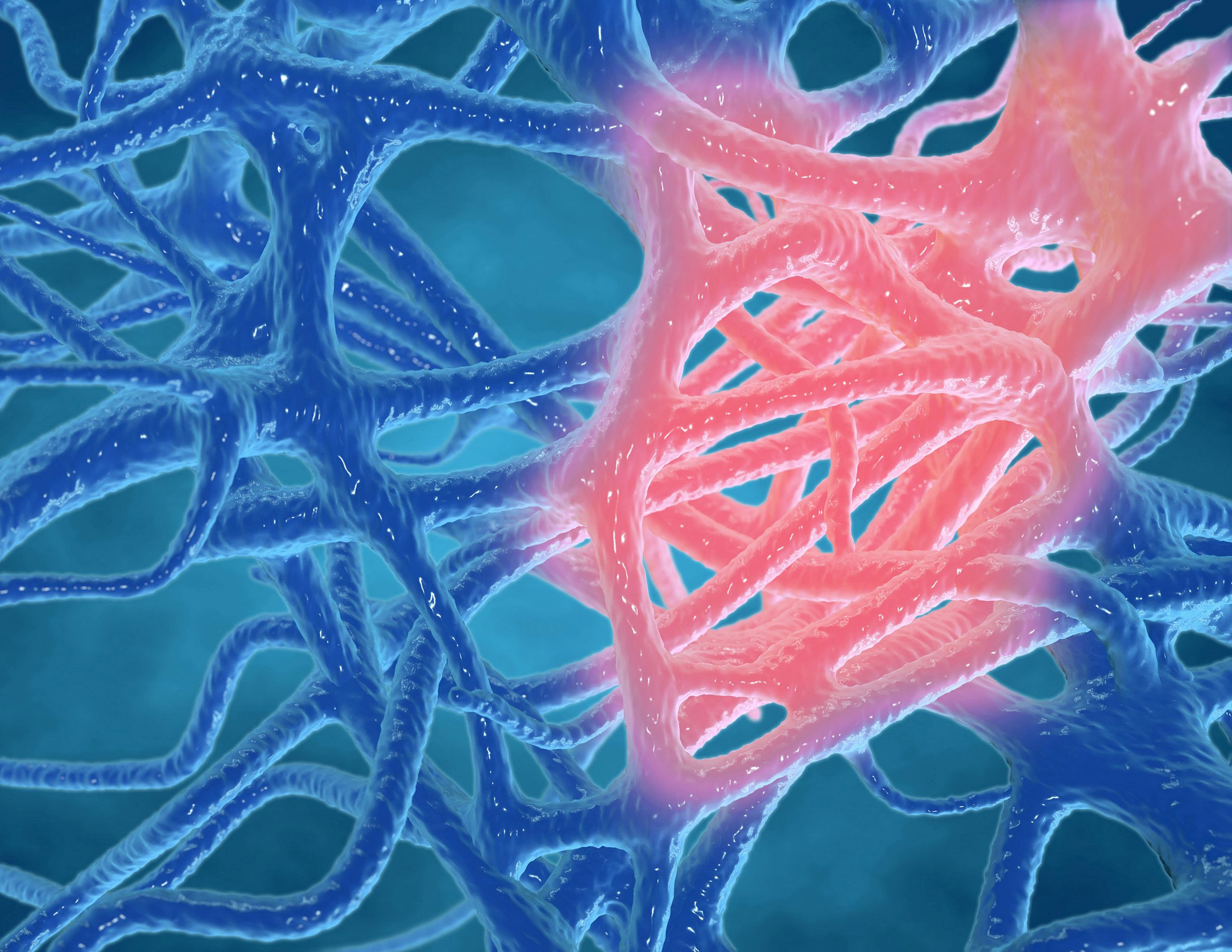
A thyroid hormone receptor may play a key role in prostate cancer growth, offering a potential new target for treating aggressive forms of the disease.
List view / Grid view
A thyroid hormone receptor may play a key role in prostate cancer growth, offering a potential new target for treating aggressive forms of the disease.
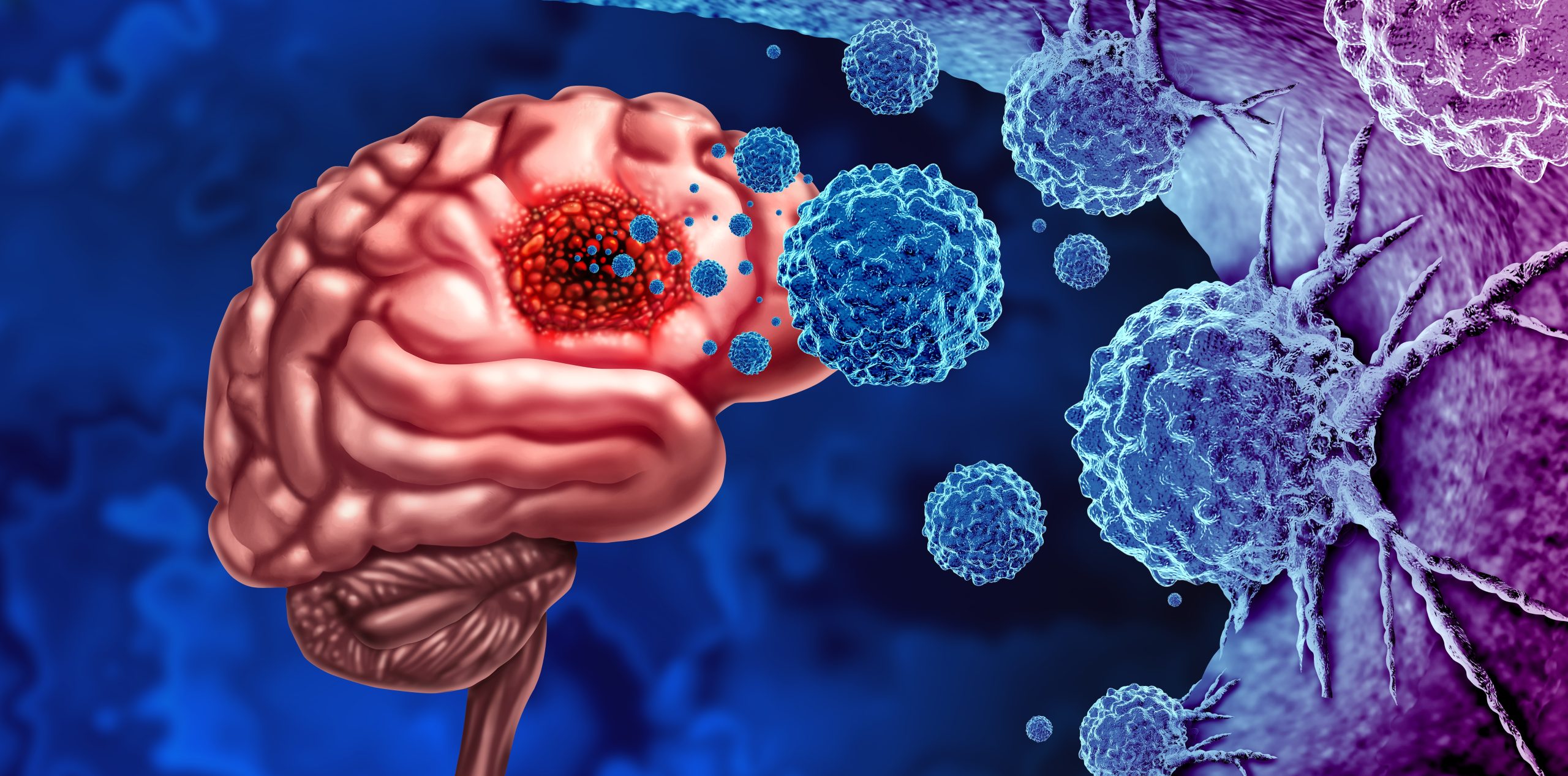
High-grade glioma, an aggressive brain cancer affecting both paediatric and adult patients, remains difficult to treat. A collaborative study from the University of Michigan, Dana-Farber Cancer Institute, and the Medical University of Vienna reveals a promising new treatment approach.
A new small molecule has great promise for the treatment of autoimmune diseases by inhibiting the proinflammatory signalling pathway.
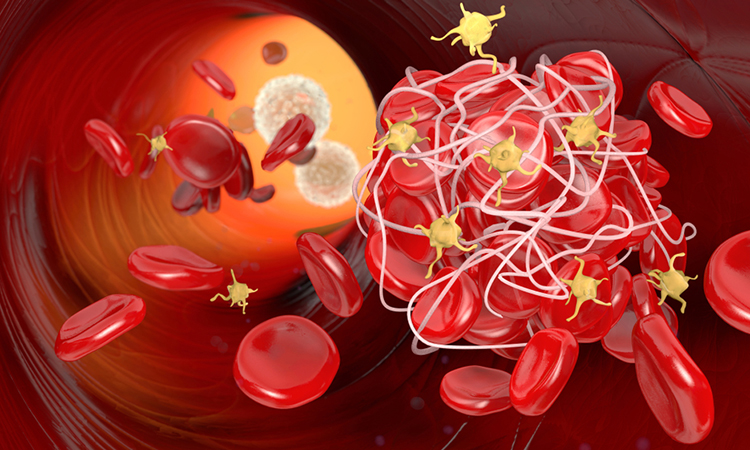
A new study has revealed that immunoglobulin-M antibodies recognise microvesicles, which are critical for the progression of thrombosis.
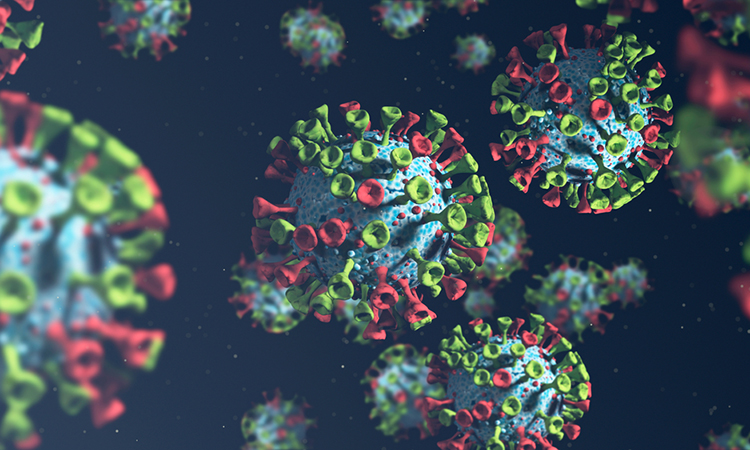
Researchers have found that mutations in SARS-CoV-2 T cell epitopes enable the virus to evade the immune response of killer T cells.
Study shows that haematoxylin can selectively kill cancers with a mutated form of the calreticulin gene (CALR), common in a group of bone marrow cancers called myeloproliferative neoplasms (MPNs).
Researchers have found that the PI3K signalling pathway could be targeted to prevent liptoxicity and combat obesity.
Austrian researchers reveal the first 21 SARS-CoV-2 viral genomes as part of their project to aid in international understanding of how the virus causing COVID-19 mutates.
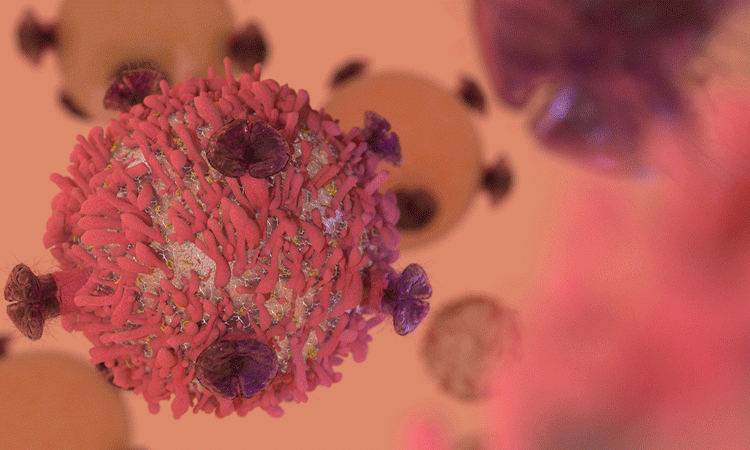
Researchers have discovered that B cells aid T cells in fighting cancer, which could be an area of development for immunotherapies.
Research at MedUni Vienna’s Centre for Brain Research has investigated changes in certain lipids (choline phospholipids) in the plasma of elderly people who were healthy and those suffering from Alzheimer’s disease.
A new probe has the potential to help surgeons visualise primary non-fluorescing, low-grade gliomas during surgery to remove the tumour.
A study has shown that disruption to cell autophagy is involved in the development of pancreatic cancer.
Depletion of B cells in the tumour micro-environment shows anti-tumour activity in patients with advanced metastatic melanoma...
Manipulation of the sugar metabolism and associated modulation of the immune system could open up new options for treating specific infectious and also autoimmune diseases...
Changes leading to the hyperactivation of the protein kinase Akt are observed in 50% of all tumours. Understanding Akt’s regulatory mechanisms is therefore essential for developing and improving cancer therapies....