


news
Experimental drug NU-9 reduces toxic amyloid in early Alzheimer’s
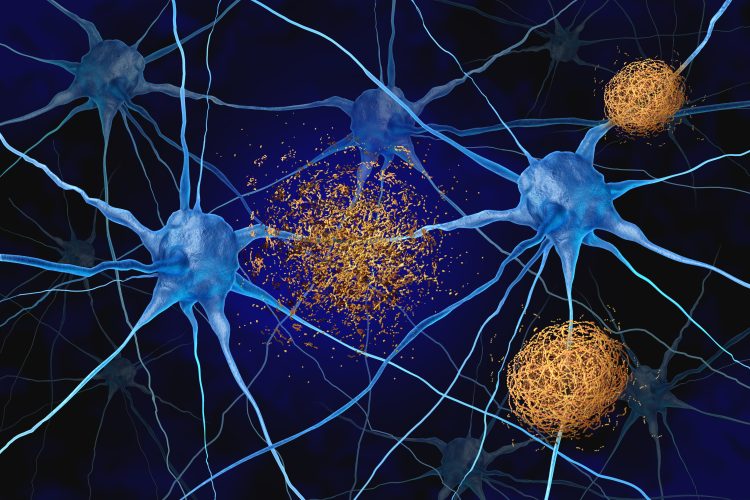
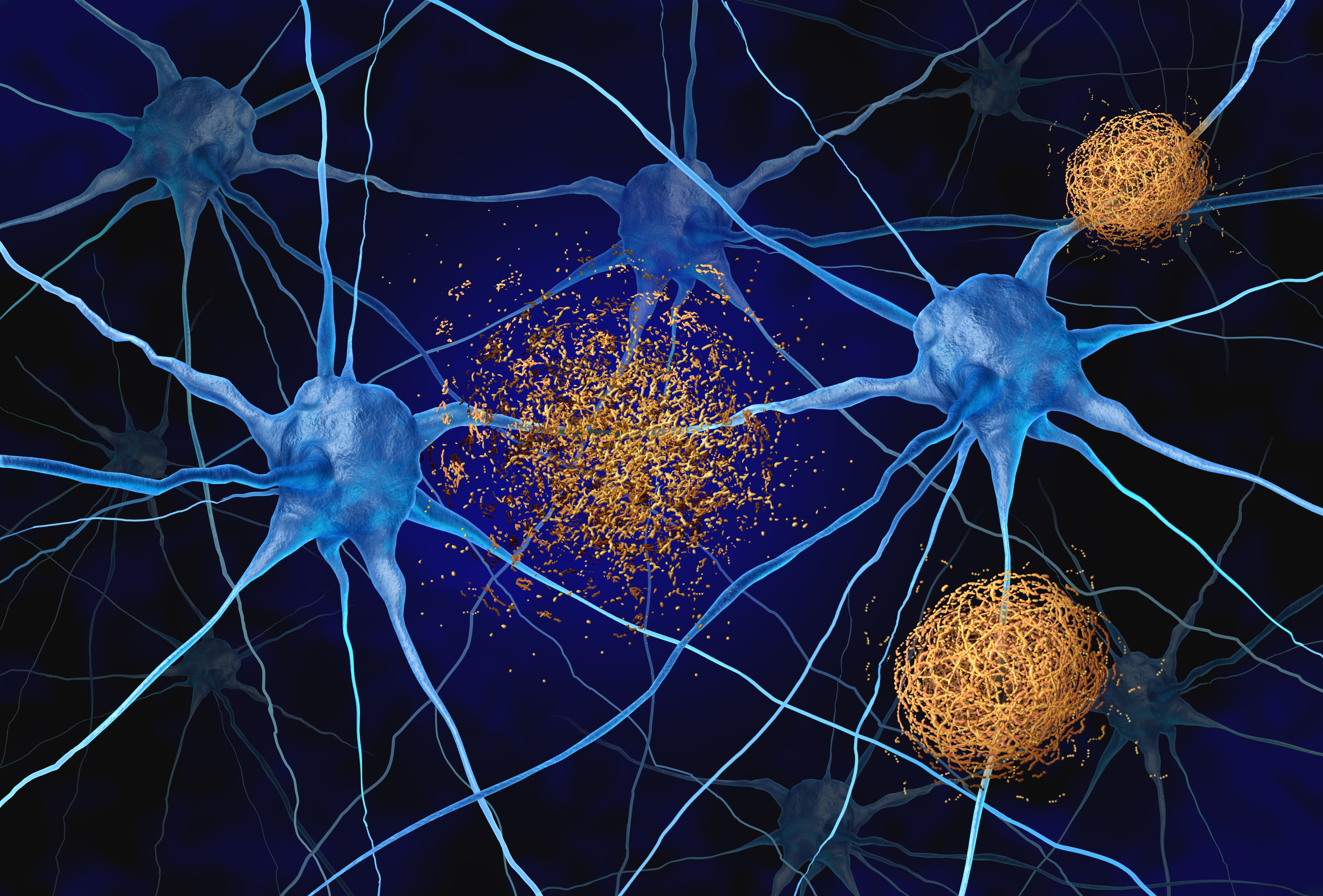
A recently developed experimental drug, called NU-9, has shown promise in targeting a toxic form of amyloid beta – halting Alzheimer’s disease before symptoms appear.
List view / Grid view
A recently developed experimental drug, called NU-9, has shown promise in targeting a toxic form of amyloid beta – halting Alzheimer’s disease before symptoms appear.

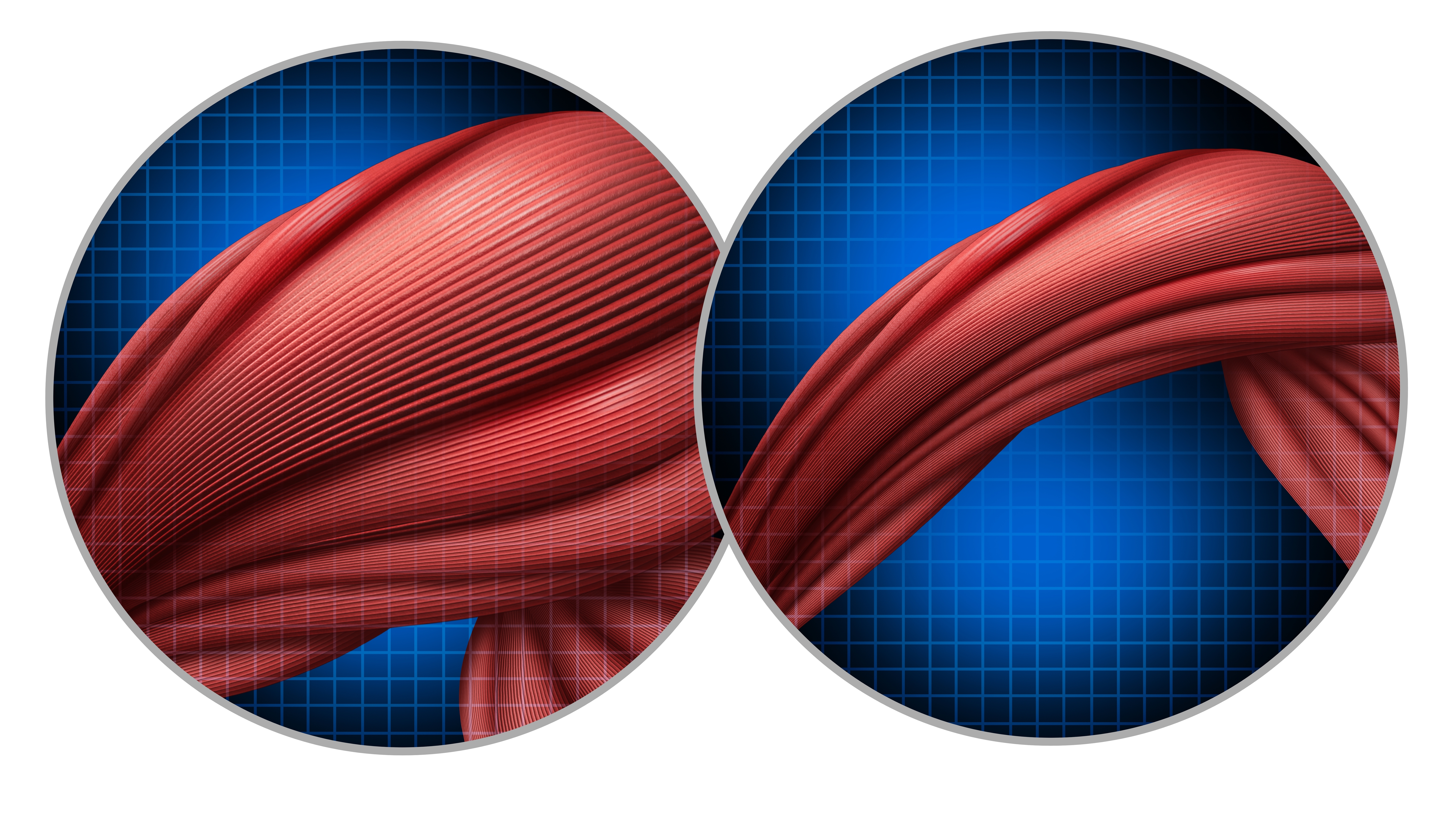
University of Houston researchers have identified a key cellular pathway involved in muscle wasting caused by pancreatic cancer, offering new insights into potential therapies.


AI is transforming biomarker analysis in early drug discovery, revealing hidden biological patterns that improve target discovery, patient selection and trial design for more precise and predictive R&D.
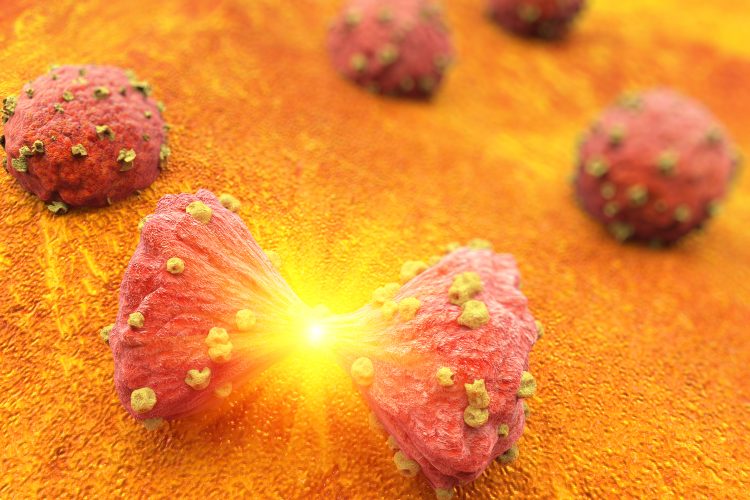
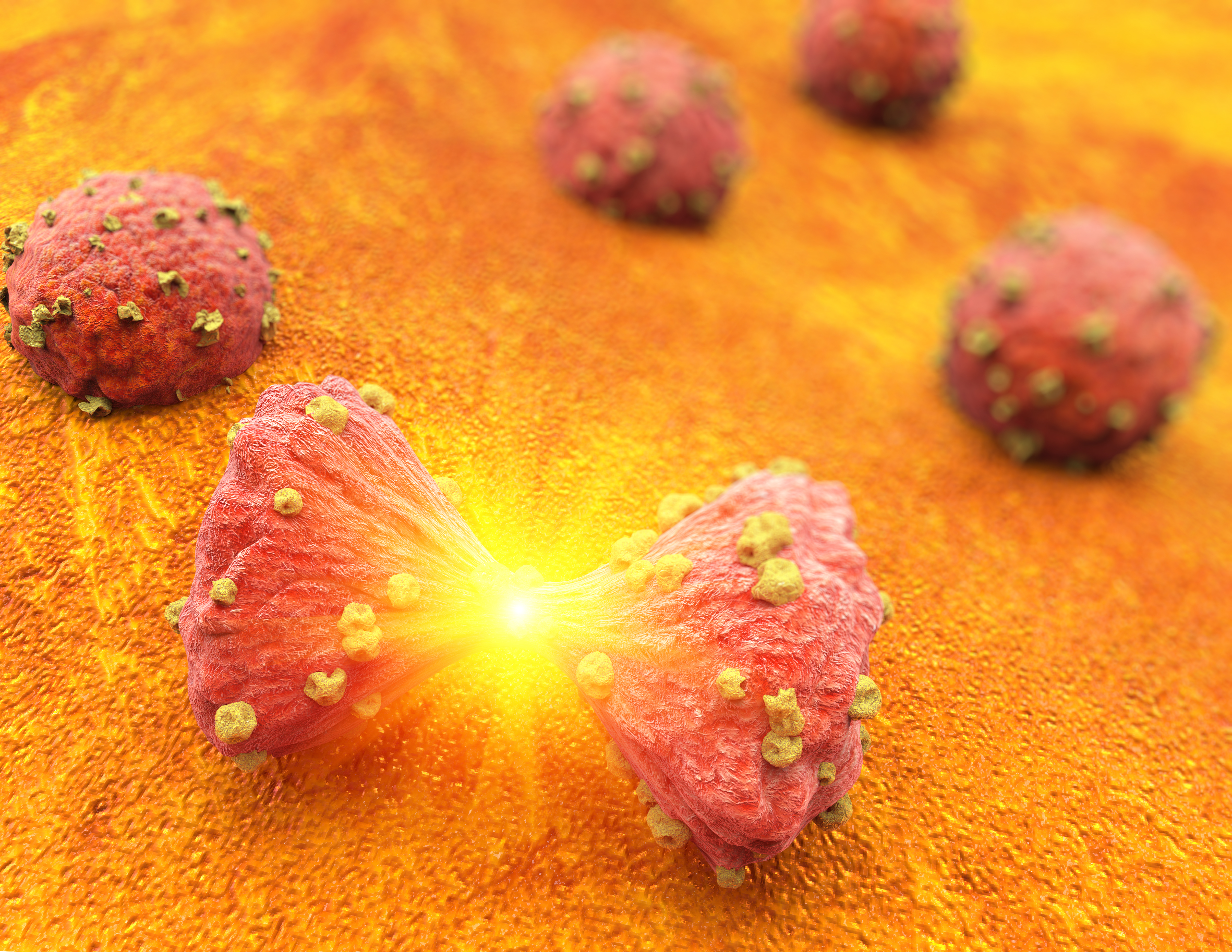
Scientists at Stanford University have discovered that older mice develop far fewer and less aggressive lung tumours than younger ones, challenging the long-held belief that cancer risk rises with age.
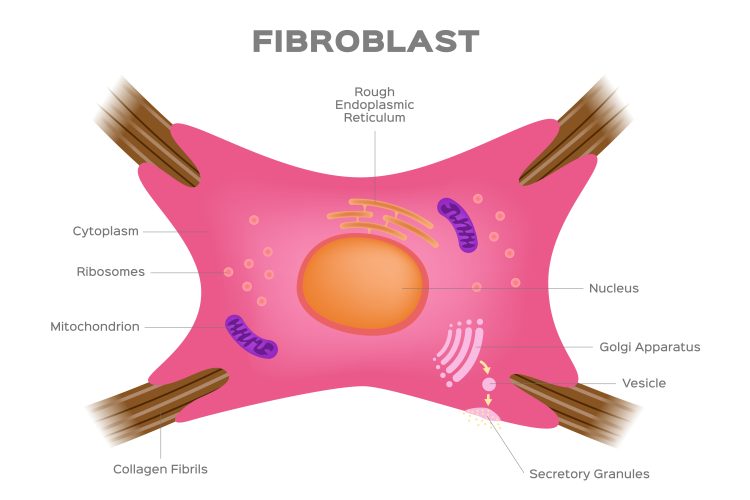

Long considered structural support cells, a new research study has discovered how fibroblasts actively worsen heart failure by disrupting heart muscle function, which could lead to new therapeutic strategies for heart failure.

A new preclinical study has combined two experimental drugs that effectively block ovarian tumour growth – a strategy that could lead to new treatments against this genetically complex cancer.

Proscia has launched two new products which will help to accelerate discovery and development of new therapies and diagnostics.
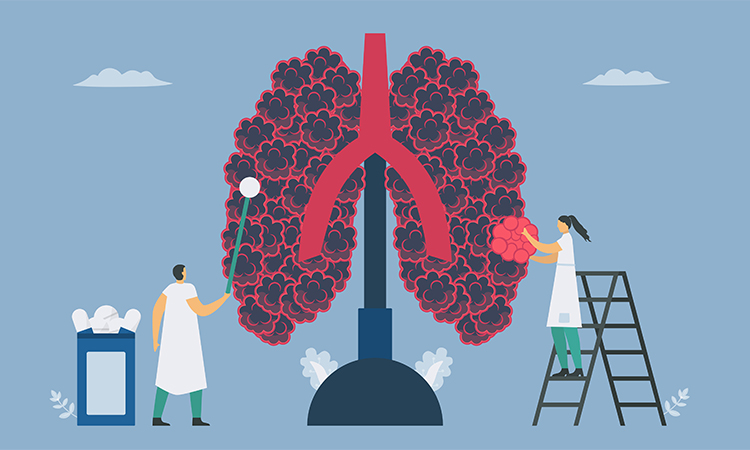
In this article, Drug Target Review’s Ria Kakkad shares some of the most recent progress in discovering a drug for COPD, a disease that remains a major challenge in the medical industry.
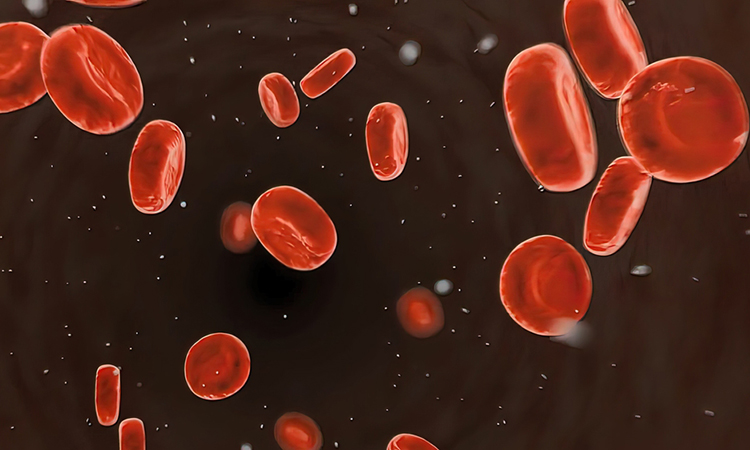
A new study has found that mycobacteria are associated with red blood cells at lung infection sites, an interaction that has escaped scientists for 140 years.


GlaxoSmithKline (GSK) and the University of Oxford will collaborate to investigate diseases using technologies such as functional genomics and machine learning.
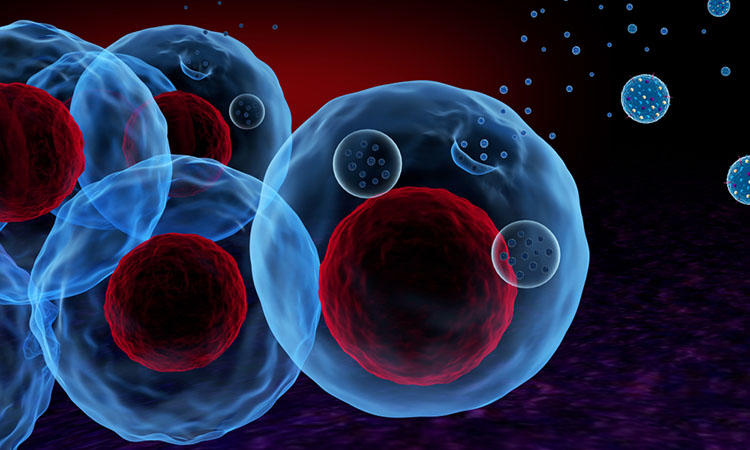
A new label-free technique has been developed for molecularly specific exosome biosensing in diagnostics and biomarker detection.
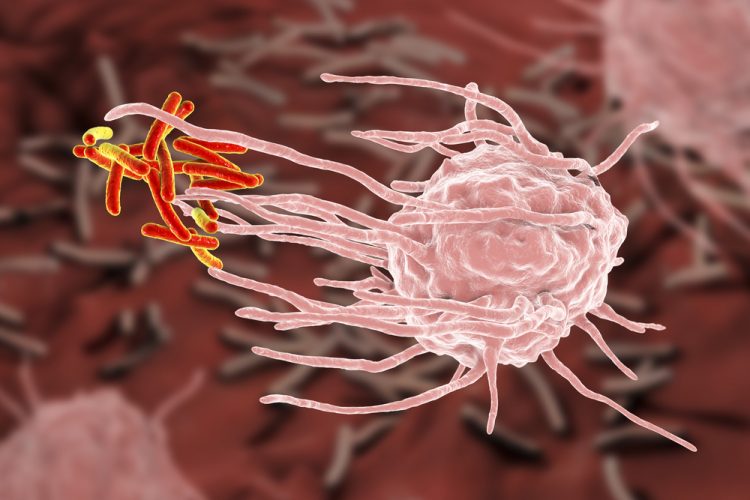
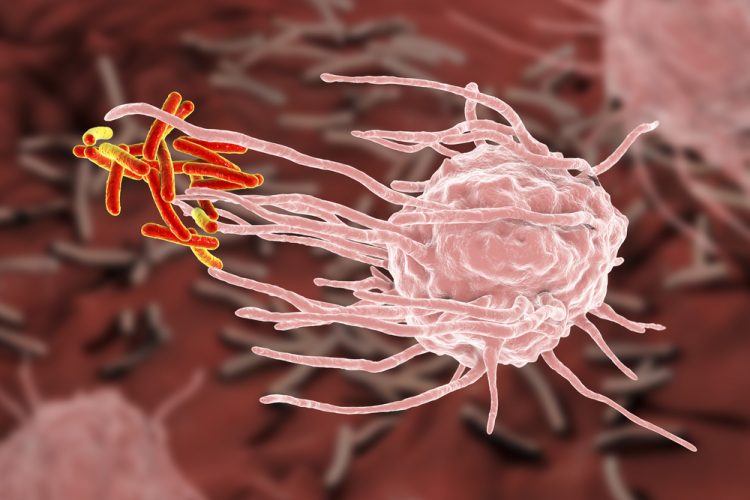
Researchers have identified a spider-like antibacterial mechanism by immune cells that could inspire Staphylococcus aureus treatments.

14 April 2021 | By Fluidigm
Watch our free on-demand webinar to learn more about using Imaging Mass Cytometry™ (IMC™) to measure over 40 protein targets with subcellular resolution.
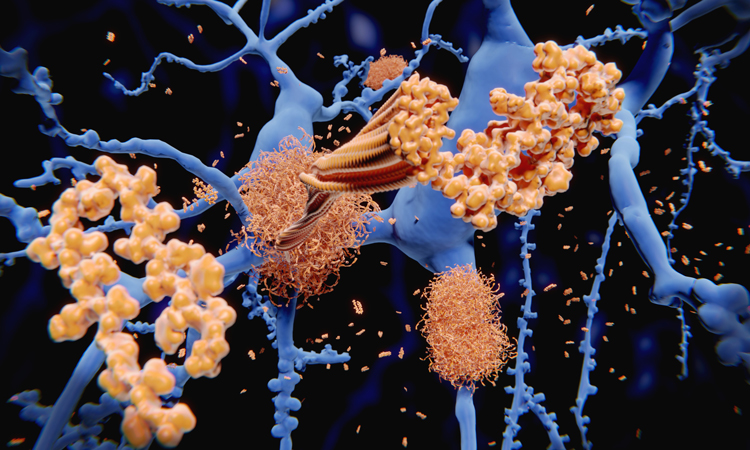
The heterogenous and dynamic nature of protein aggregates makes them a particularly challenging class of structures to study. In this article, Professor Tuomas Knowles and Dr Sean Devenish present a novel approach to studying protein structures that could aid in understanding the complexities of Alzheimer’s disease and identify future therapeutic…
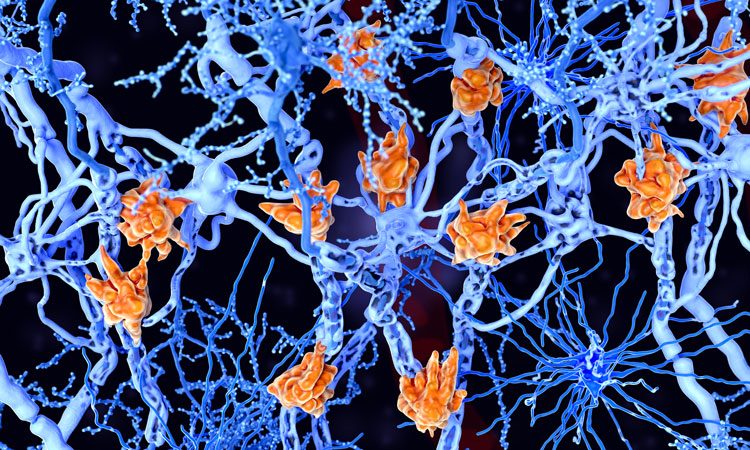
Research from Oregon Health & Science University could lead to new therapies to heal nervous system disorders.
