


news
Potential for targeted therapies based on the gigaxonin pathway
Researchers have discovered that higher expression of gigaxonin suppresses aggressive growth of human head and neck cancer cells.
List view / Grid view
Researchers have discovered that higher expression of gigaxonin suppresses aggressive growth of human head and neck cancer cells.

The ML algorithm explores how genetic mutations collectively influence a tumour’s reaction to drugs impeding DNA replication.
Researchers have found that reducing glycosylation on the T cell surface may offer new approaches to cancer immunotherapy.

Lactate producing bacteria is responsible for rewiring metabolic signalling pathways, causing resistance to radiation therapy.
Researchers have developed a novel test capable of detecting a form of cervical cancer that frequently eludes detection through traditional Pap tests.

Oregon State University researchers have developed a screening model for rapid testing of multiple drug compounds, using a 3D cellular platform.

Researchers found that ‘rational vaccinology’ increases potency by changing the structural location of antigens and adjuvants.
A new study modelled chlamydia and HPV co-infection in patient-derived ectocervix organoids to reveal distinct cellular reprogramming.
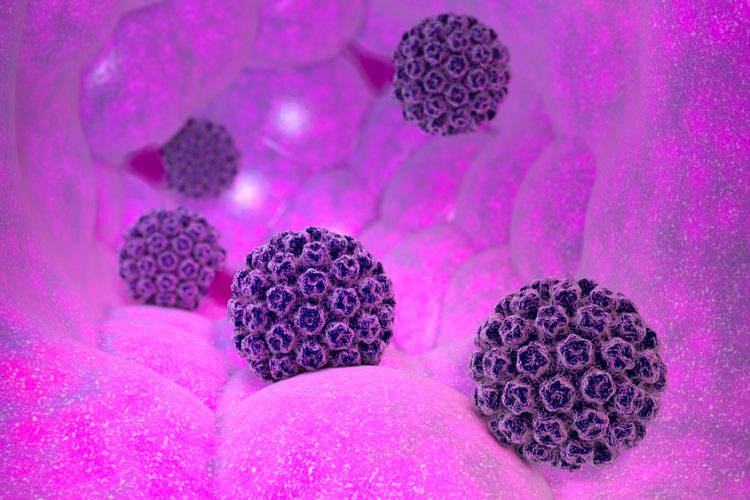
A new study sequenced tumour DNA for the “ultrasensitive” detection of HPV, further honing precision treatment of the illness.

Novel organoid models of cervical cancer and a healthy human cervix have been developed to study the condition and its progression.
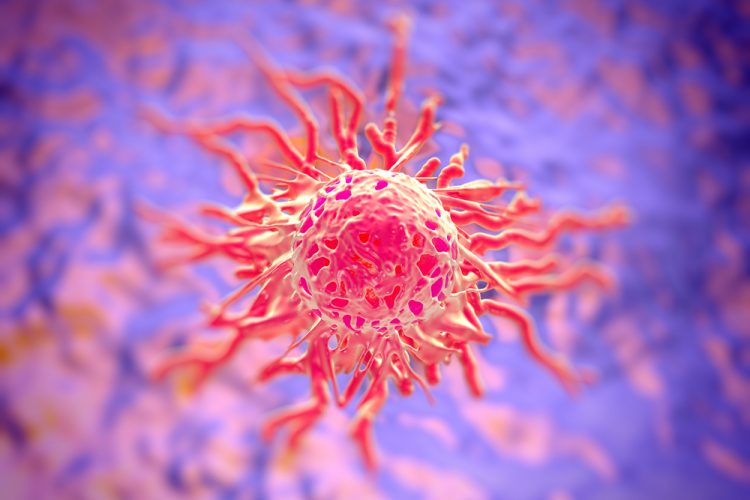
A study has revealed that a sponge endemic to an Indonesian bay produces manzamine A, a compound which inhibits proteins in cervical cancers.