



Technology
Explore technologies transforming drug discovery and development, including artificial intelligence, automation, genomics, bioinformatics, imaging, robotics, advanced laboratory platforms and computational tools that accelerate target identification, therapeutic innovation and translational research.
Webinars and whitepapers
- Previous
- Next



Technology
 Article
Six assay requirements every researcher using NAMs should know
As NAMs become more widely used in drug discovery, assays must meet the demands of more complex models. Discover six requirements for reliable, reproducible and biologically meaningful data.
 Report
Building biomarkers that drug developers can rely on
Discover how integrated technologies, multiomic approaches and AI are helping researchers translate complex biological signals into actionable tools for drug development and patient care.
 Article
How rare genetic variants could uncover new drug targets
What if extreme levels of common traits have a different genetic basis? New research suggests rare, large-effect variants could help explain the extremes and identify potential drug targets.
 Article
How AI-driven systems biology will reset the starting line for drug development
AI is making drug discovery faster, but can it make it more successful? Discover why combining AI with systems biology could help researchers tackle the biological complexity behind drug failure.
Join now
Unlock exclusive industry insights
- Bookmark articles and resources to access anytime
- Enjoy free access to industry leading resources, webinars and insights
- Stay informed with the latest news and breakthroughs
- Receive updates and recommendations tailored to your research interests
 Article
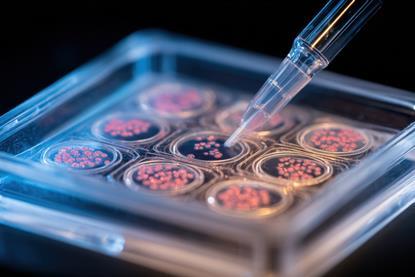
600+ patient-derived cancer models expand the search for drug targets
Hundreds of new patient-derived cancer models could strengthen target validation, identify cancer vulnerabilities and provide more representative systems for preclinical drug discovery.
 Article
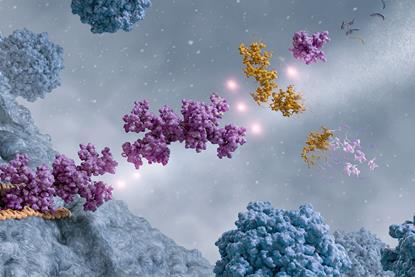
Why intracellular targets remain a major drug discovery challenge – and how they’re becoming druggable
Many biologically important intracellular targets remain difficult to drug. Dr Rab Prinjha examines how screening within living cells could help tackle them.
 Article
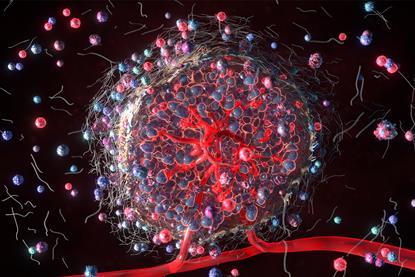
Fibroblast barrier linked to immunotherapy resistance in colorectal cancer
Why do some colorectal cancers resist immunotherapy? Analysis of patient tumour samples has identified a population of fibroblasts that could help explain treatment resistance.
 Article
Reducing drug development failures with human-relevant models and AI
Professor Joseph C. Wu of Stanford University explains how stem cells, human-relevant models and AI are helping researchers predict which drug candidates are most likely to succeed before clinical trials.
 Article
Why single-cell foundation models have underdelivered and what drug discovery needs instead
Foundation models have delivered breakthroughs in protein biology, but single-cell models have struggled to match them. What is holding them back?
 Article
Gene therapy’s biggest challenge is the cell’s own defence mechanisms
What if one of gene therapy’s biggest obstacles isn’t delivery, but the body’s own cells? Discover why DNA silencing is emerging as a major challenge for long-lasting genetic medicines.
 Article
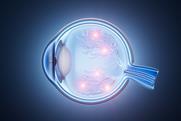
Why inherited retinal disease treatment requires more than gene therapy
Most inherited retinal diseases still have no approved therapy despite advances in gene therapy. This article explores why researchers are targeting shared disease mechanisms alongside individual mutations.
 Article
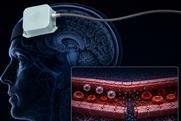
Why the blood–brain barrier blocks most drugs – and how ultrasound could help
The blood–brain barrier protects the brain from harmful substances, but it also prevents many medicines from reaching their target. Researchers are investigating whether focused ultrasound could safely improve drug delivery.
 Article
Inside one of the most comprehensive human proteome atlases to date
Understanding where proteins are expressed throughout the body is critical for selecting better drug targets. Here’s how a new human proteome atlas could improve target selection, predict toxicity and support drug repurposing.
 Article
AI’s promise and practical limits in drug discovery
From ChatGPT to AI agents and world models, where is AI really heading in drug discovery? Dr Raminderpal Singh explains what researchers should focus on now.
 Article
How spatial biology is tracking antibody drugs inside tumours
Many antibody therapies fail to reach all cancer cells within solid tumours. Researchers have developed a spatial biology technique that maps antibody distribution alongside the tumour microenvironment to investigate why.
 Article
Making historical toxicology data work harder in safety assessment
Historical toxicology data is often underused. Find out how Virtual Control Groups and AI could help researchers strengthen safety assessment while making better use of existing data.
 Article
How AI and human biology data led to a new addiction drug candidate
How can human biology data improve target selection? Learn how one discovery programme identified a potential new treatment for opioid use disorder.
 Article
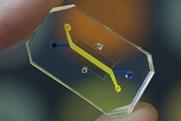
Organ chips move closer to drug discovery pipelines
From uncovering new drug targets to predicting human toxicity, organ chips are showing what they could bring to drug discovery. Professor Donald Ingber of Harvard University discusses where the technology is heading next.
 Article
AI’s real value in drug discovery may be choosing the right experiment
AI is becoming more capable, but its value still depends on the data, questions and decisions behind it. Where is it genuinely improving drug discovery and where do the limitations remain?