



Diseases
Explore disease-focused research spanning cancer, neurological, cardiovascular, infectious, autoimmune, metabolic and rare disorders, featuring insights into disease mechanisms, biomarkers, target discovery and emerging therapeutic approaches that support advances in precision medicine and healthcare innovation.
Webinars and whitepapers
- Previous
- Next





Diseases
 Article
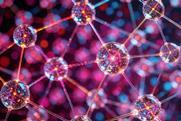
Finding drug targets through the noise of complex disease
The strongest disease signal may not point to the best drug target. AI could help researchers identify what matters within complex biological networks.
 Article
Induced proximity drugs – why complex formation is not enough
A drug can form exactly the complex it was designed to make and still fail to work. Two recently approved induced proximity drugs show why what happens after complex formation – not formation alone – can decide the outcome.
 Article
How disease exposes hidden epitopes that AI models may miss
A protein can look very different in disease without a single change to its sequence. Measuring these structural changes could reveal drug targets invisible to genomic and expression data alone.
 Article
Turning CNS biomarkers into better drug development decisions
Why do promising CNS therapies struggle to translate into patients? Three experts explore how biomarkers can track therapeutic effects, improve patient selection and guide development decisions.
Join now
Unlock exclusive industry insights
- Bookmark articles and resources to access anytime
- Enjoy free access to industry leading resources, webinars and insights
- Stay informed with the latest news and breakthroughs
- Receive updates and recommendations tailored to your research interests
 Article
Why depression needs a different drug discovery strategy
What if depression is not one disease, but many biologically distinct conditions? A major research programme is investigating what this could mean for biomarkers, drug targets and treatment.
 Article
How rare genetic variants could uncover new drug targets
What if extreme levels of common traits have a different genetic basis? New research suggests rare, large-effect variants could help explain the extremes and identify potential drug targets.
 Article
600+ patient-derived cancer models expand the search for drug targets
Hundreds of new patient-derived cancer models could strengthen target validation, identify cancer vulnerabilities and provide more representative systems for preclinical drug discovery.
 Article
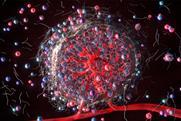
Fibroblast barrier linked to immunotherapy resistance in colorectal cancer
Why do some colorectal cancers resist immunotherapy? Analysis of patient tumour samples has identified a population of fibroblasts that could help explain treatment resistance.
 Article
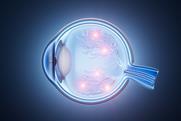
Why inherited retinal disease treatment requires more than gene therapy
Most inherited retinal diseases still have no approved therapy despite advances in gene therapy. This article explores why researchers are targeting shared disease mechanisms alongside individual mutations.
 Article
Understanding the toxicology endpoints that matter in ADC development
Antibody-drug conjugates (ADCs) present unique toxicology challenges. Learn which endpoints matter most, how they inform development decisions and why they are essential for building a robust nonclinical safety strategy.
 Article
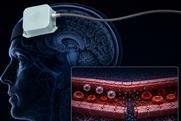
Why the blood–brain barrier blocks most drugs – and how ultrasound could help
The blood–brain barrier protects the brain from harmful substances, but it also prevents many medicines from reaching their target. Researchers are investigating whether focused ultrasound could safely improve drug delivery.
 Article
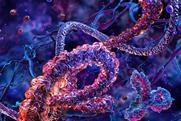
Inside one of the most comprehensive human proteome atlases to date
Understanding where proteins are expressed throughout the body is critical for selecting better drug targets. Here’s how a new human proteome atlas could improve target selection, predict toxicity and support drug repurposing.
 Article
How spatial biology is tracking antibody drugs inside tumours
Many antibody therapies fail to reach all cancer cells within solid tumours. Researchers have developed a spatial biology technique that maps antibody distribution alongside the tumour microenvironment to investigate why.
 Article
How AI and human biology data led to a new addiction drug candidate
How can human biology data improve target selection? Learn how one discovery programme identified a potential new treatment for opioid use disorder.
 Article
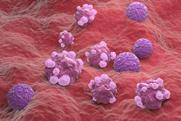
Synthetic iMSCs: reprogramming ovarian cancer from the inside out
Ovarian cancer has long proved difficult to treat. Could the answer lie within the disease itself? Discover how synthetic iMSCs could reprogramme the tumour microenvironment and restore anti-tumour immunity.
 Article
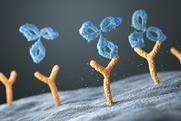
Antibody recycling, FcRn and the next generation of biologics
One receptor can protect antibodies from degradation, extend their half-life and become a drug target itself. Explore the science behind FcRn and how researchers measure its function.
 Article
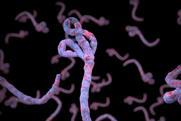
Cerebral organoids reveal how Ebola virus persists in neural tissue
How does Ebola virus survive long after recovery? A new study using human cerebral organoids explores viral persistence in neural tissue and the growing role of organoid models in drug discovery research.
 Article
Pomegranate-derived compound shows therapeutic potential in heart disease
Researchers at Cardiff University have identified urolithin A – a compound produced by gut bacteria during the metabolism of substances found in pomegranates – as a new approach for treating cardiovascular disease.
 Article
Machine learning identifies biological signals linked to emotional hunger
Researchers at Phenomix Sciences are using machine learning and genetic risk scoring to investigate emotional hunger, an obesity phenotype linked to emotional and reward-driven eating behaviours. Dr Timothy O’Connor discusses how the approach could improve patient stratification, obesity research and treatment selection.
 Article
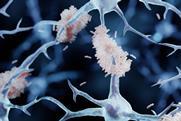
Beyond tangles: why soluble intracellular tau should guide drug discovery
Tau tangles are a hallmark of Alzheimer’s disease and related disorders, but evidence suggests the real damage may come from rare, soluble tau species inside neurons. Targeting these hidden drivers of circuit dysfunction could be key to restoring memory and cognition.